Enter
The Vocal Eisteddfod for 2026 was a great success! Entries for 2027 will open on 01 March 2027
Proposed Dates Vocal Competition 13 - 19 June 2027 (NB; Kings Birthday public holiday is Monday 14 June)
Venue: The Mechanics Institute, Minerva Space, Sturt St, Ballarat
Proposed Dates Herald Sun Aria Heats - 11 September 2027
Venue: The Mechanics Institute, Minerva Space, Sturt St, Ballarat
Proposed Herald Sun Aria Semi-Final - 12 September 2027
Venue: Her Majesty's Theatre (TBC)
Adjudicators TBC
Accompanist: TBC
Details
A diverse range of genres is offered, spanning contemporary to classical, along with an array of specialized sections including Novice, Solo and Accompanist, Championship Challenge, Original Song, and more.
A full day dedicated to senior classical performances takes place before the Aria heats. This provides Aria entrants with an excellent opportunity to experience the venue’s acoustics and to perform alongside the talented Konrad Olszewski, helping them prepare for the upcoming heats.
Wonderful prizes on offer, including cash prizes, industry coaching prizes, scholarships, medals and trophies.
Adjudication
We announce different adjudicators every year, always offering a wealth of experience, knowledge and skills to share in their adjudication and encouragement of the performances.
Adjudication is based on specific criteria.
10 points – Intonation
10 points – Vocal Technique
10 points – Story Telling and Authenticity
10 points – Rhythm, phrasing and diction
10 points – Articulation and Dynamics
50 points - General (may include presentation, poise, focus, stylistic mastery, musicality, appropriate song choice etc)
Freemasons Vocal Competition
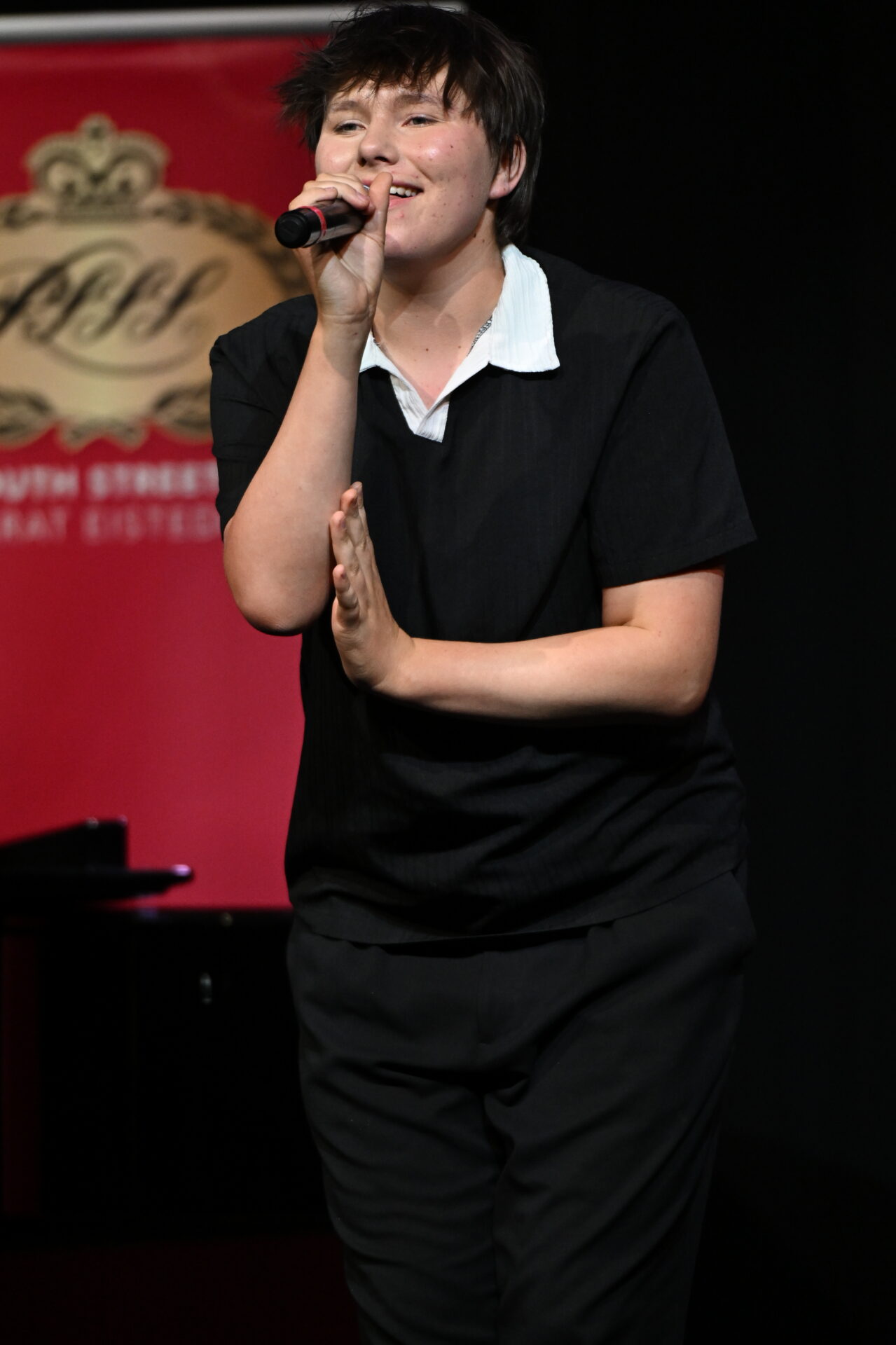
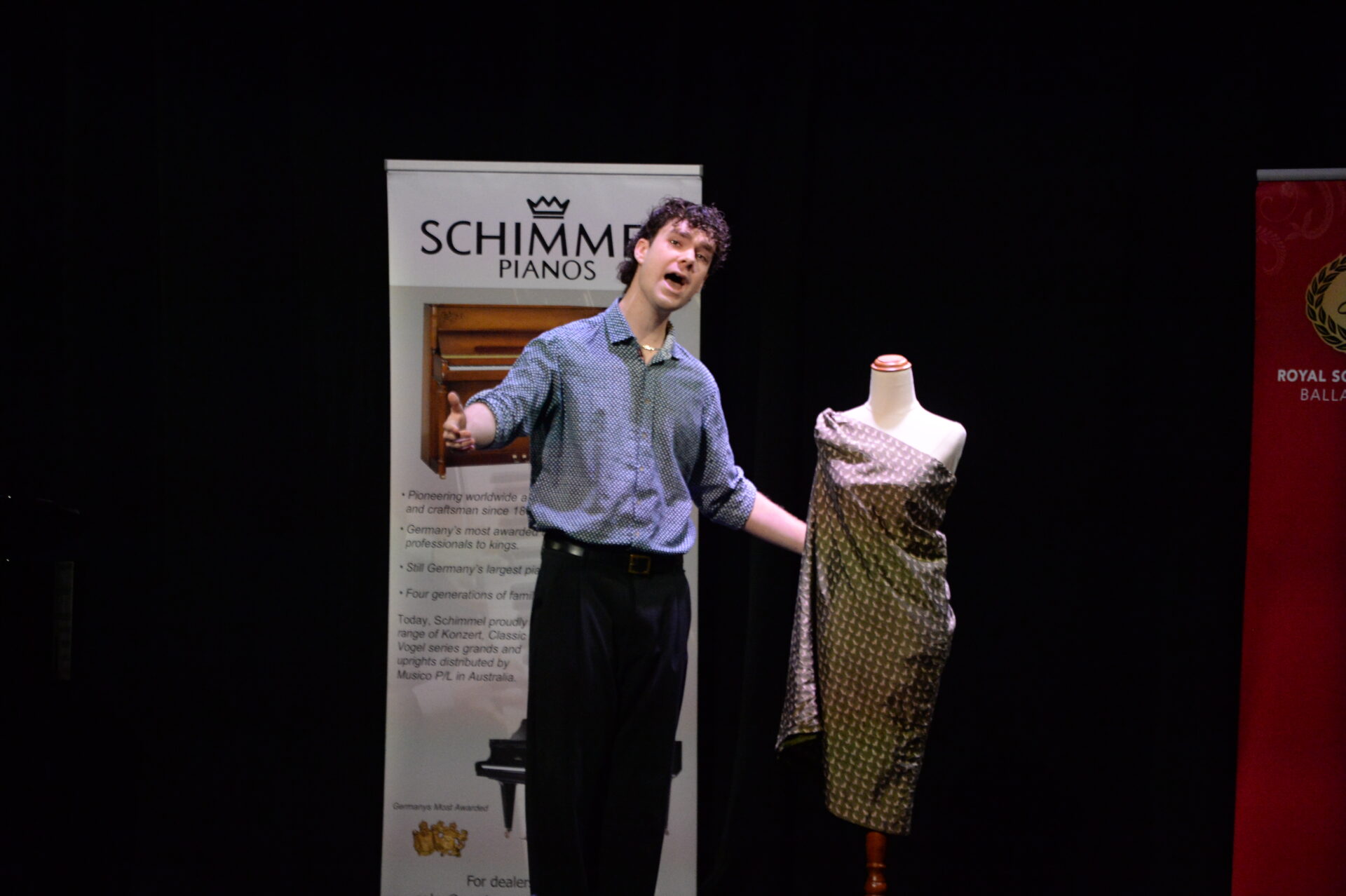
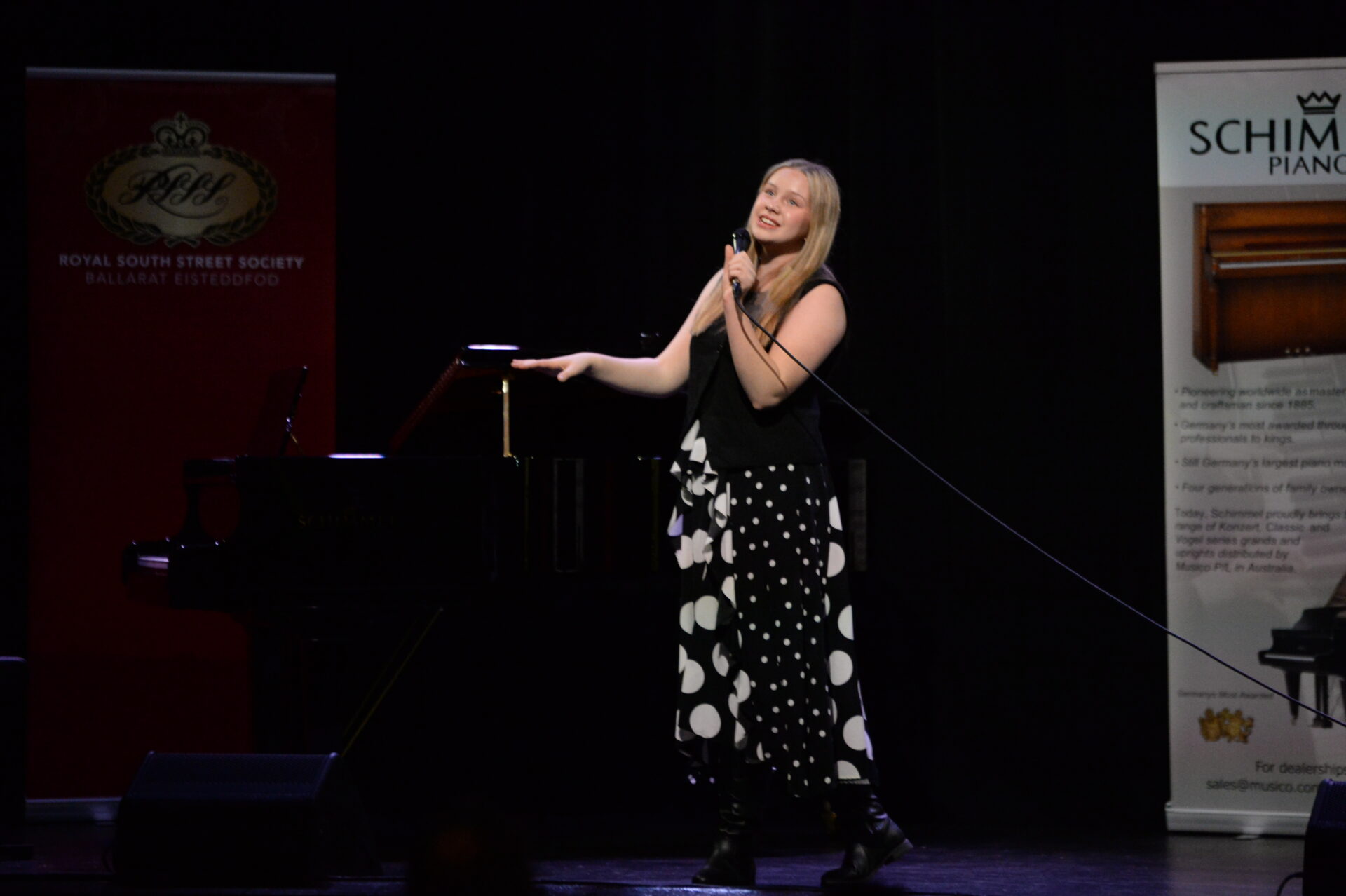
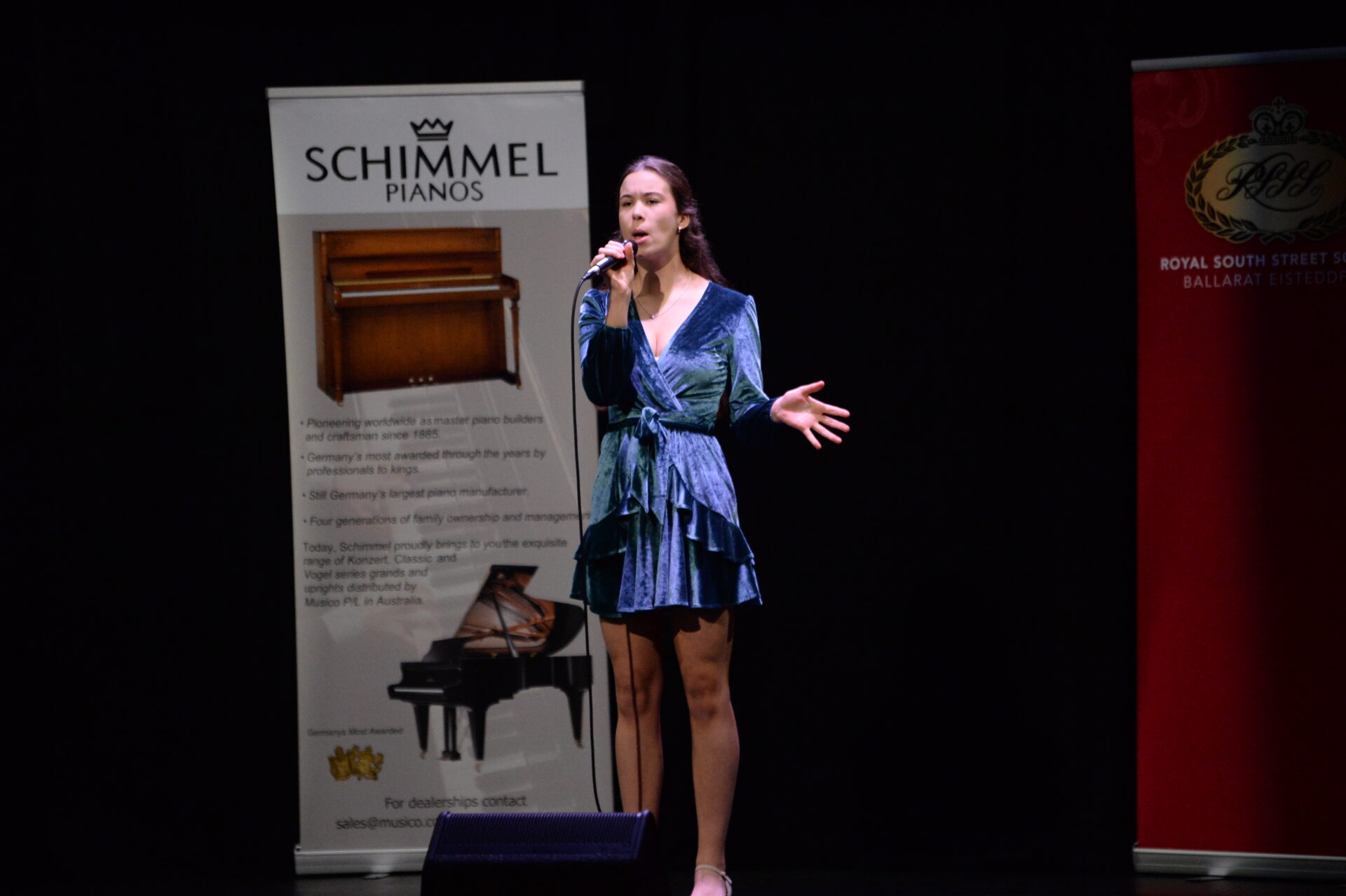
With the generous support of Freemasons Foundation Victoria, our Eisteddfod provides an encouraging and transformative platform for performers. Here, participants receive constructive feedback, refine their skills, build confidence, and discover their full artistic potential.
Join us on your journey toward self-discovery and artistic excellence at the Freemasons Vocal Competition.
With a wide range of sections, excellent prize money, and exciting flow-on opportunities, we welcome performers from a broad spectrum of vocal genres.
Current sections include:
Novice – sing for critique only
Upbeat Pop/Rock
Country
Contemporary Stage and Screen Combo
Pre-1960s Stage and Screen
Jazz/Blues/Soul/Gospel
Contemporary Ballad
Classical Solo
AMEB/Exam Syllabus Beginner
AMEB/Exam Syllabus Intermediate
AMEB/Exam Syllabus Advanced
Accompanist of the Future
Duet/Trio
Strut Your Stuff
Operetta and Enduring Classics
Sacred and Oratorio
Lieder and Art Song
Championship Challenge
Proudly supported by Freemasons Foundation Victoria.
🎶SPONSORS NEEDED 🎶
Are you passionate about singing?
Do you want to help support the next generation of musicians?
We welcome enquiries about donating prize money for our Vocal sections.
For more information, please contact info@royalsouthstreet.com.au
Proudly supported by

















Spike Leo Recording Session - Awarded to the winner of the senior Original Song section and valued at $3,800
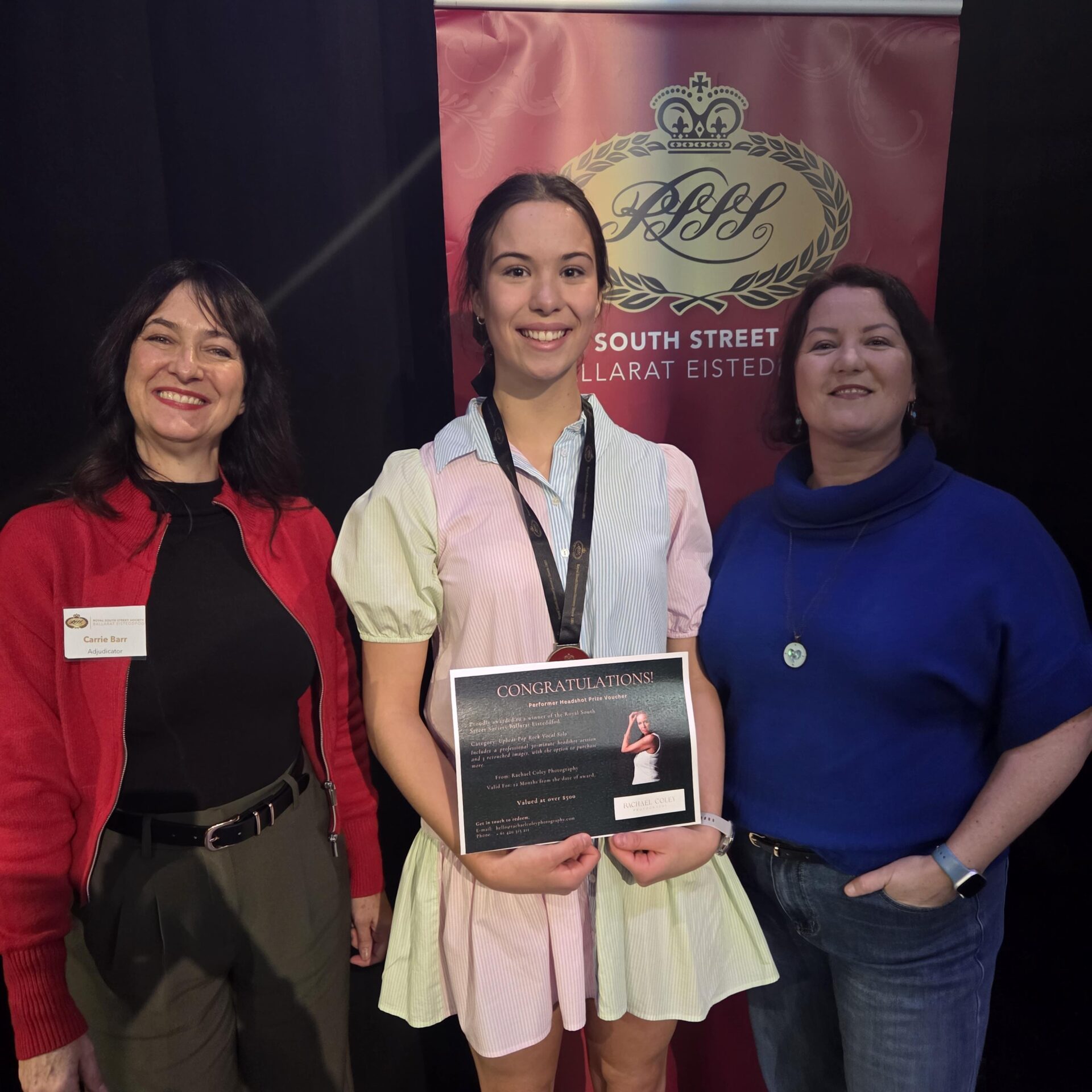
Headshot Photography Sessions - Rachael Coley Photography and Shots By Jez offering performers a chance to complete their performer portfolios with professional headshots, ready for your next audition or big performance
Ballarat Opera Festival Opportunity – Classical vocalists 16 Years and Over, are eligible to be invited to take part in the Ballarat Opera Festival (sponsored by Victorian Opera).
Victorian Opera Season Pass 2026 – Awarded to the winner of ‘Championship Challenge’.
Tickets to Victorian Opera 2026 productions – Awarded to the winner of ‘Operetta and Enduring Classics’ and 'Art Song and Lieder'
Vocal Health Masterclass with Meaghan Sullivan - Singer and Speech Pathologist and owner of Optiform Vocal Health
Music Theatre Coaching Sessions with Top Industry Professionals - The winners of the Stage and Screen Combo section will win an hour coaching session with a top industry professional. Sessions available with Sally Bourne, Melissa Langton, Vicky Jacobs, Queenie van de Zandt and Susan-Ann Walker
Ballarat Carols by Candlelight - One lucky winner will be chosen to perform a solo at the 2026 Ballarat Carols by Candlelight.
The Herald Sun Aria in partnership with Melbourne Opera
Established in 1924, the Herald Sun Aria is Australia’s oldest and most prestigious award for emerging classical singers. In partnership with Melbourne Opera and Medownick Laser Clinic, we proudly celebrated an extraordinary 100 years of the Herald Sun Aria in 2024.
Renowned as the nation’s premier competition for rising opera talent, the Aria offers nearly $60,000 in cash prizes—including the esteemed Medownick First Prize—to support and enhance the training of Australia’s brightest young singers. Entrants must be aged 19 to 36 years.
The Heats and Semi-Finals are hosted by the Royal South Street Society Ballarat Eisteddfod, with the Grand Final presented at the Melbourne Recital Centre.
Experience a thrilling night of opera as six finalists take the stage in the Herald Sun Aria Final, accompanied by the Melbourne Opera Orchestra, bringing drama, artistry, and anticipation to life.
Ballarat audiences can witness the exceptional talent up close as 12 semi-finalists compete for their place in the Final.
The Semi-Final will be held at the Ballaarat Mechanics Institute on Monday 29 June, commencing at 7.30pm.
Over its remarkable history, the Herald Sun Aria has helped launch the international careers of many distinguished singers, including:
Dame Malvina Major (1964), Dame Kiri Te Kanawa (1965), Jonathan Summers (1973), Judith Henley (1976), Roger Lemke (1985), Jason Wasley (1993), and Rachelle Durkin (2000).
Sponsors
Supporter & Sponsors
A huge thank you to our prize money and medal supporters and sponsors.
The generosity of our supporters and sponsors enables us to offer cash prizes, medals and ribbons for competitors in every section.
Gold Crown Supporters
- Freemasons Foundation Victoria
- City of Ballarat
- Creative Victoria
- Ingenia Lifestyle
Silver Crown Supporters
- SBN - School Broadcasting Network
- Isabella Foundation
Bronze Crown Supporters
- Henkell Family Fund @ Australian Community
- Beechworth Bakery
Champion Supporters
- Andrew Lovell
- The Pancake Kitchen
- Optiform
- Victorian Opera
Encore Sponsors
- BLOC Music Theatre Inc
- Buninyong Hotel
- Caine Real Estate
- Field Air
- Lorayne Branch
- The Piano Bar
- Reus Flower Co
Spotlight Sponsors
- ANATS
- Robyn Antoine and the Enduring Classics Vocal Group
- Ballarat Carols by Candlelight
- Ballarat Vocal Studio
- BCMA - Ballarat Centre of Music & the Arts
- Darrell Lea Ballarat Chocolate Experience Store
- Marjorie Davies Trust
- Chris Gardner
- Elsie Morison Memorial Trust
- Homeground Cafe and Bakery
- Ryans IGA
- Leroy Mac Designs
- Nicholas McMahon
- Oaktree Dental
- Tim Ryan
- Anita Stapp
- The Shine Centre
- William Morrell Memorial Fund
- Sally Bourne
- Vicky Jacobs
- Melissa Langton
- Susan-Ann Walker
- Queenie van de Zandt
We always welcome additional supporters and sponsors. As a charitable organisation, all donations and sponsorships are tax deductible see our Support Us page.
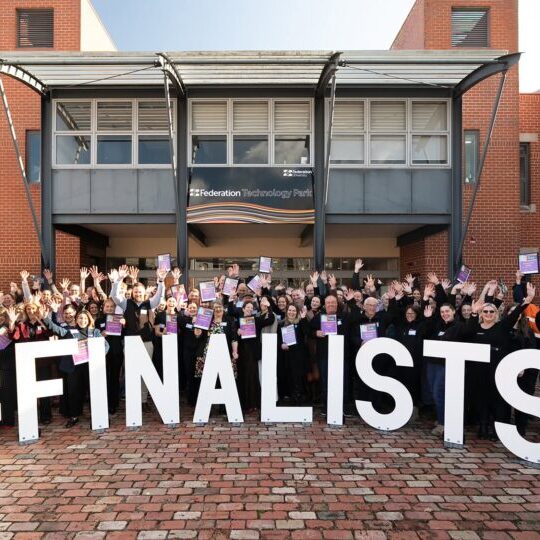
2026 Aria Finalists
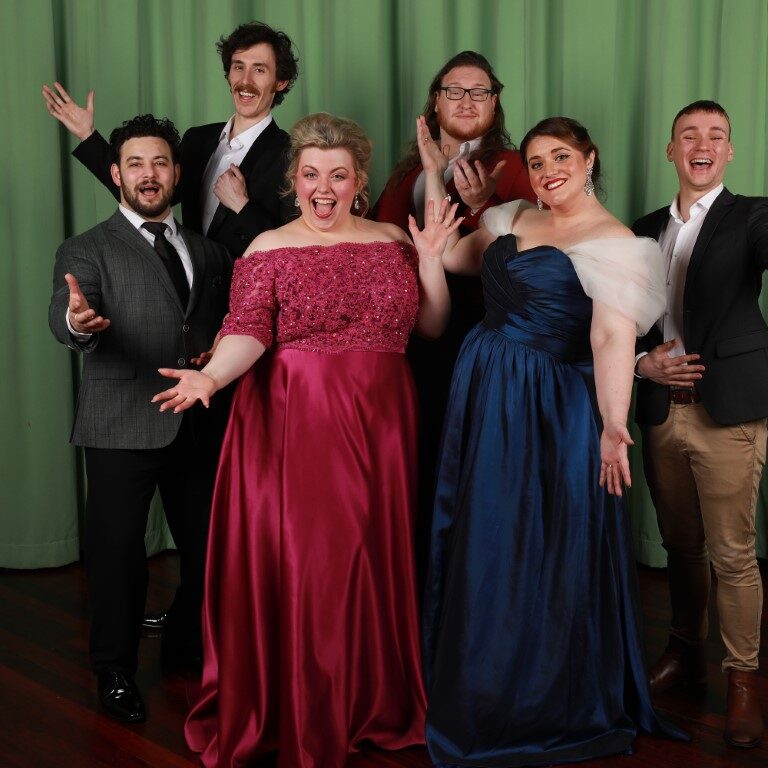
Congratulations to the Finalists for 2026; Harley Trusler, Leon Vitogiannis, Livia Brash, Joshua Erdelyi-Gotz, Kate Pengelly and Chloe James
2026 Freemasons Vocal Aggregate Winners
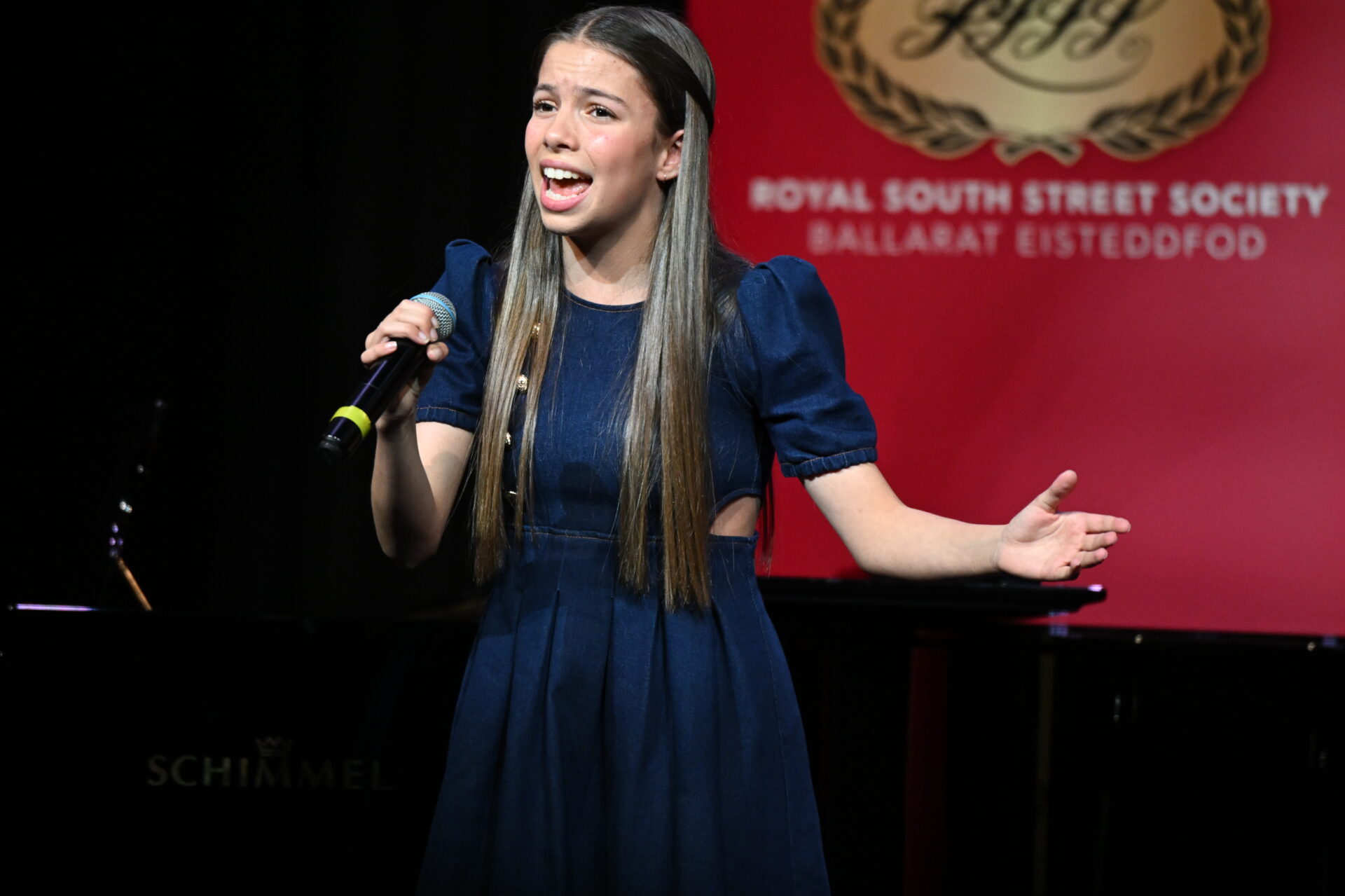
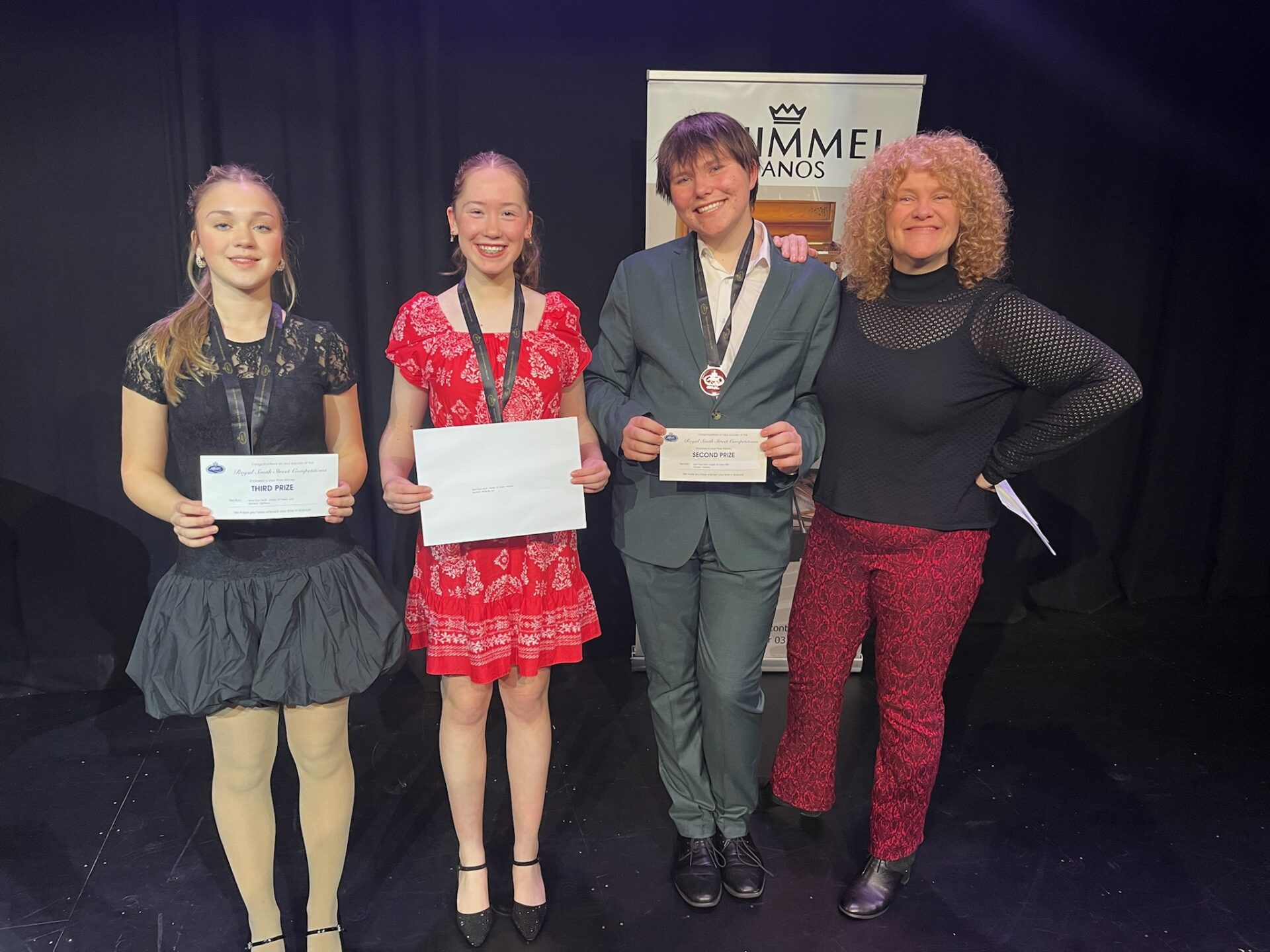
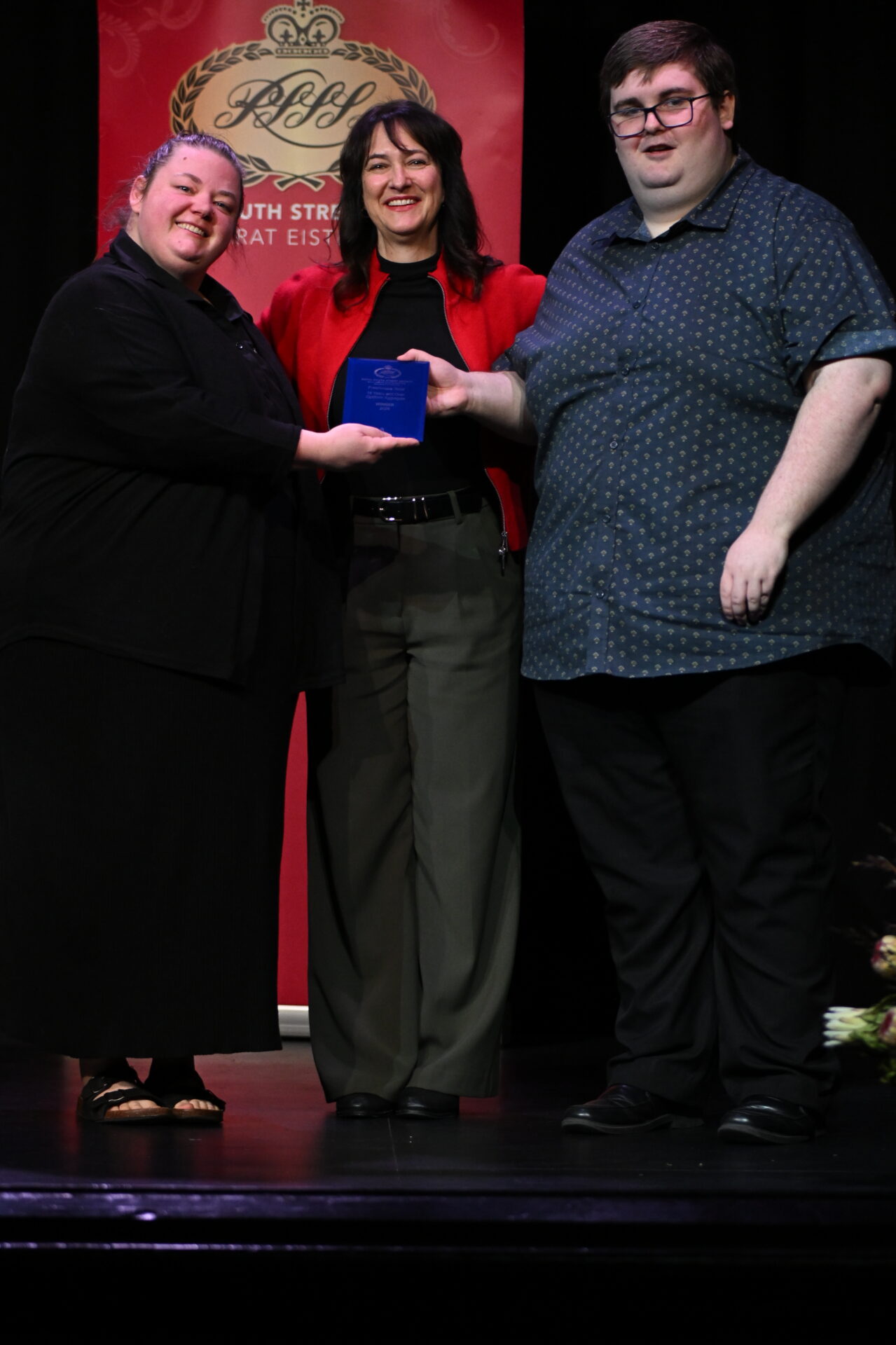
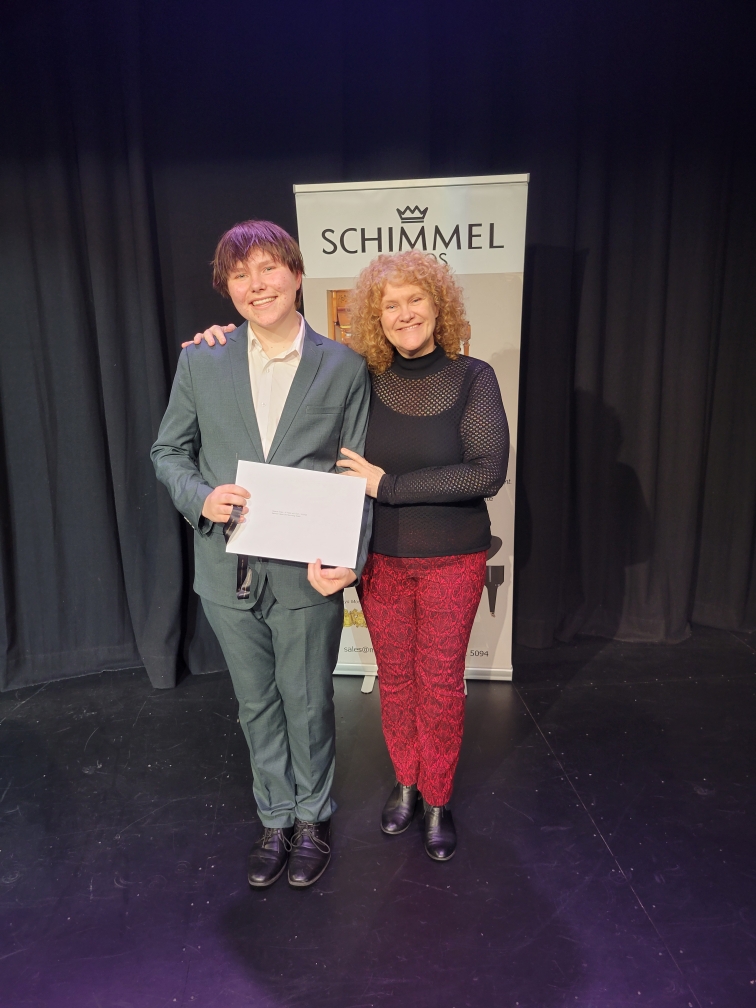
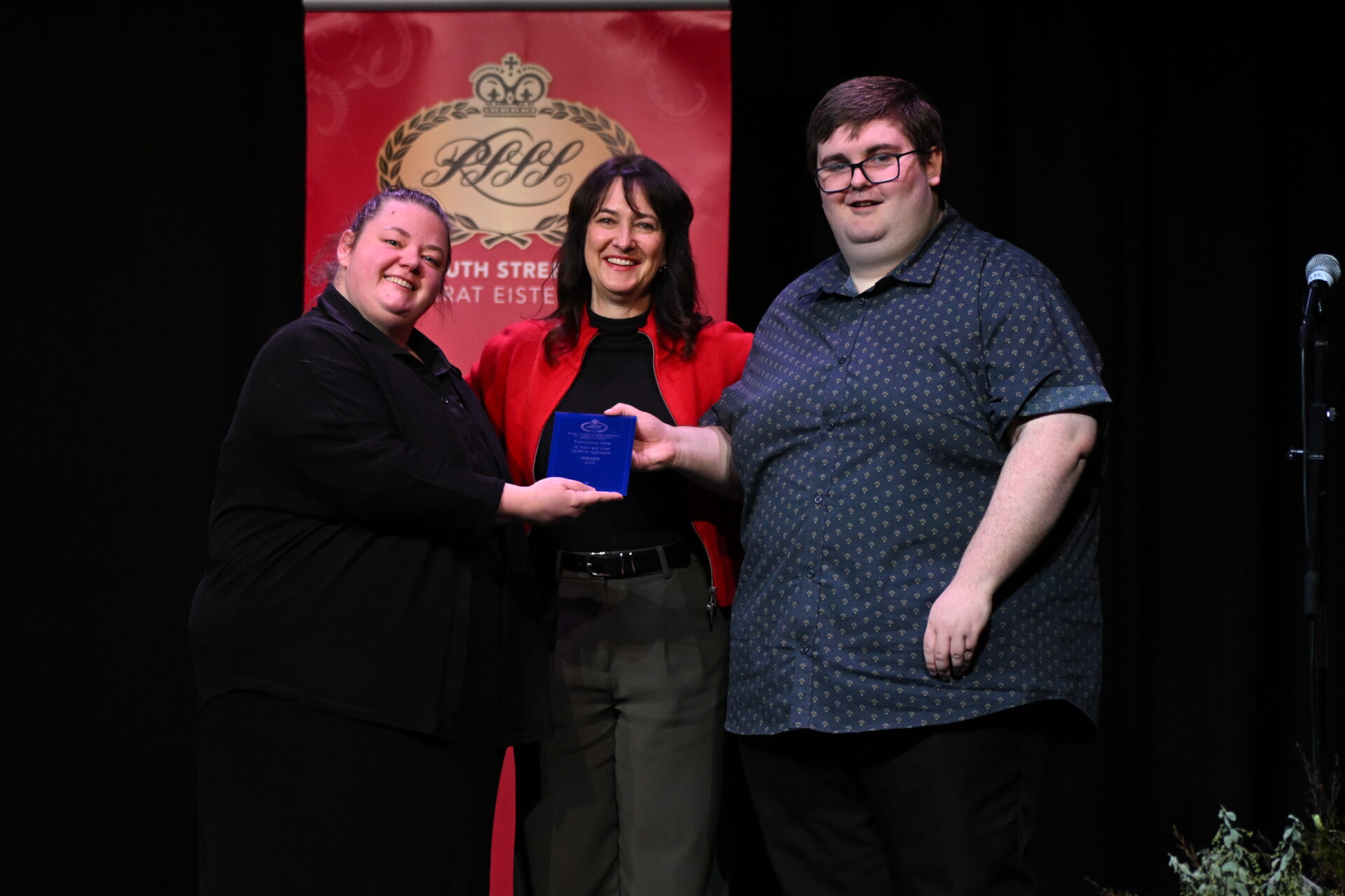
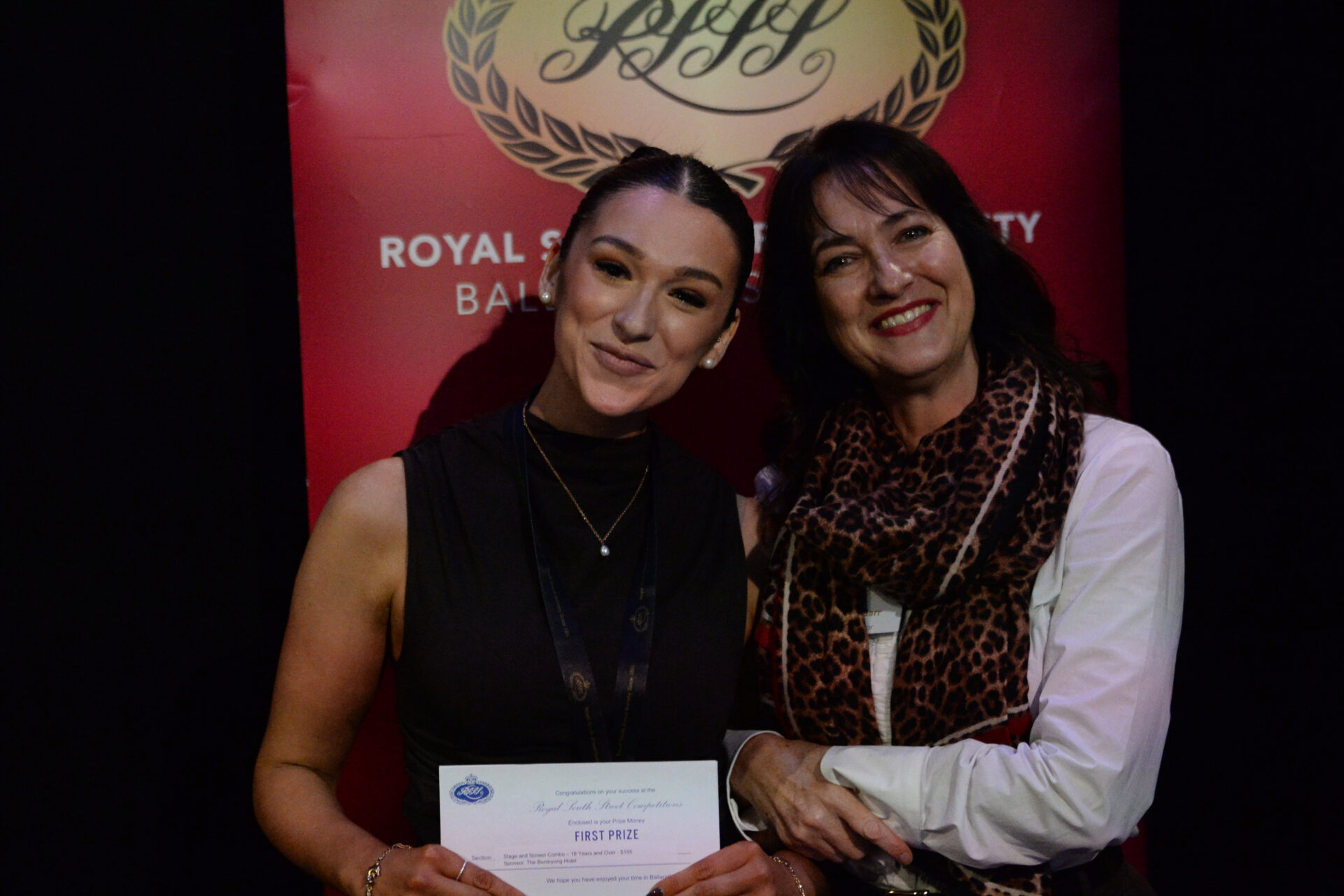
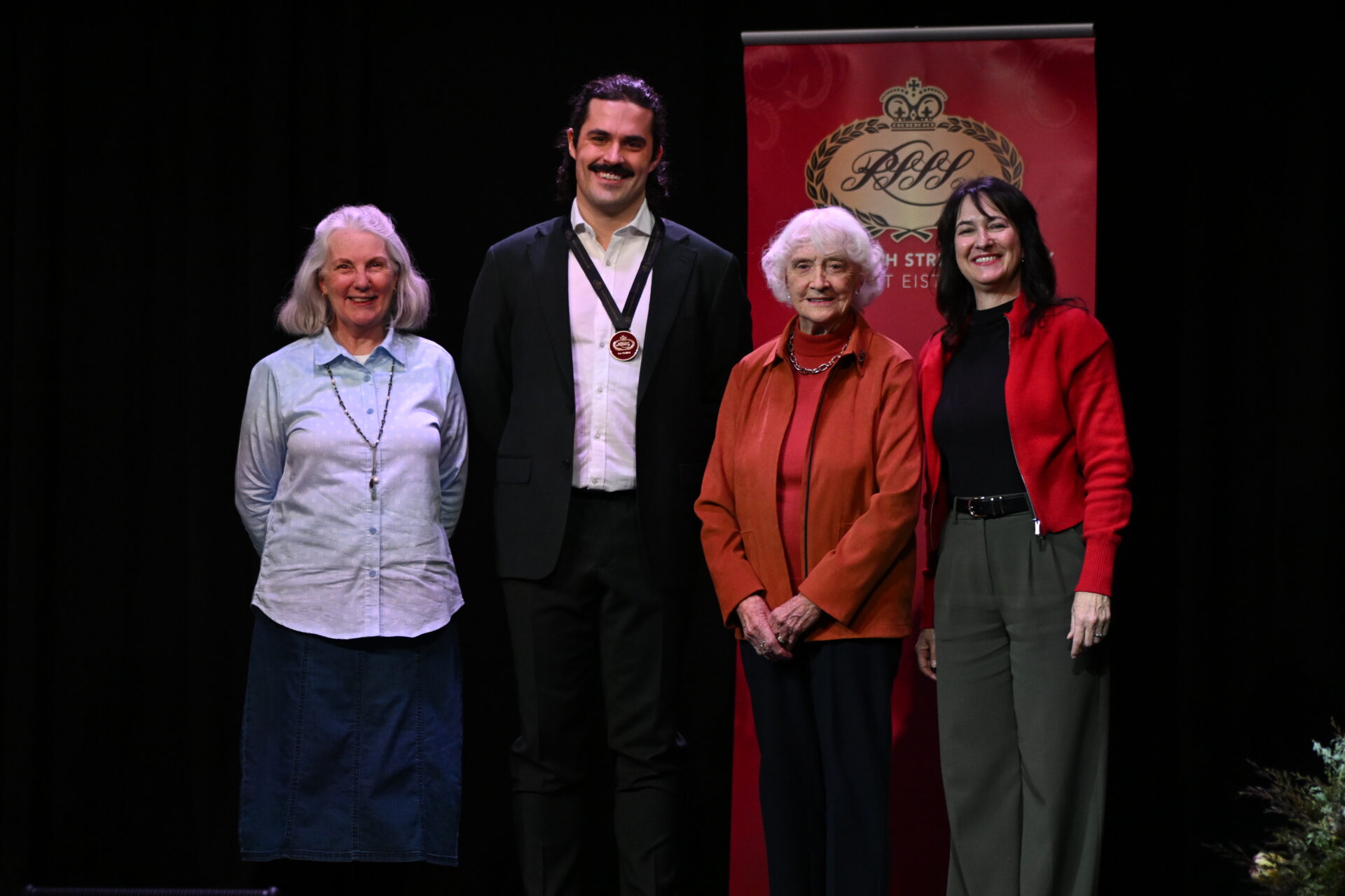
Congratulations to Evie S (Under 10), Quinn M (10 to Under 12), Luka B (12 to Under 14), Jasper M (14 to Under 16), Sophia B (16 to Under 18) and Sophie W / Jack S (Open)
News
Stories
Learn more about the Vocal discipline from our collection of stories, historical records and media....
Explore
Explore our history timeline
intro
1898
1902
Peter Dawson wins the Bass Solo section in South Street’s Senior Vocal Contest and goes onto international fame, singing at Covent Garden and touring Australia with another South Street diva, Amy Castles. It was Dawson’s version of Waltzing Matilda’ that catapulted our unofficial national anthem to fame in 1938, after which versions came ‘thick and thin.’
(Watch Peter Dawson’s Waltzing Matilda)
Future Prime Minister James Scullin also makes his mark by taking out a first in the senior debating competition.
1902
Crowds line Lydiard Street to witness the return of Dame Nellie Melba from Europe, while the well-heeled were fortunate enough to purchase tickets attend her performance at Her Majesty’s Theatre.
1906
A Grand Opera Contest is included in the Eisteddfod for the first time, with prizes presented by Dame Nellie Melba
1912
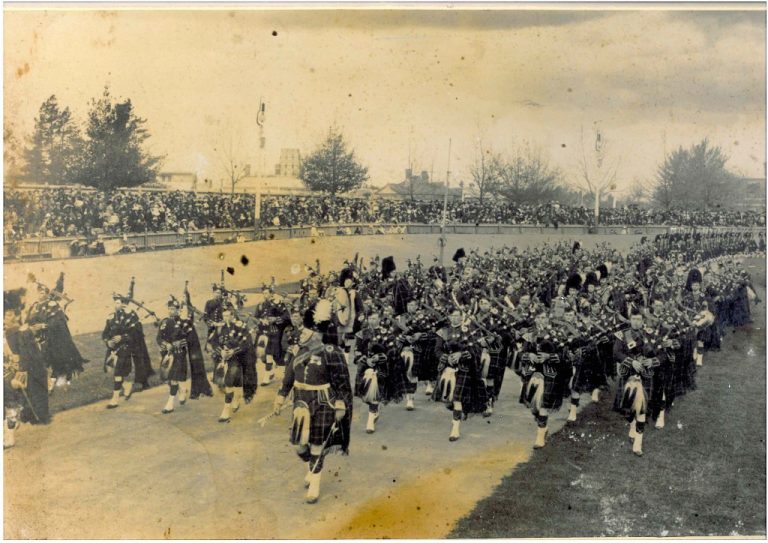
Thousands congregate to City Oval to see the Highland Pipe Contest and, under the auspices of South Street, watch celebrated aeronaut, ‘Wizard Stone,’ attempt to take off in a monoplane. It does not go well, with Wizard and the plane sustaining minor injuries.
The Titanic sinks on her maiden voyage from England to New York and Ballarat erects the Titanic Memorial Bandstand in the following year to commemorate the stoic musicians who continued to play as the ship sank.
Sponsor of South Street’s Sutton Shield, Henry Sutton dies. A remarkable inventor, Sutton was credited with many early innovations including light bulbs, photo printing and the early transmission of images, which would later be used as the foundation for developing television 35 years later.
1914
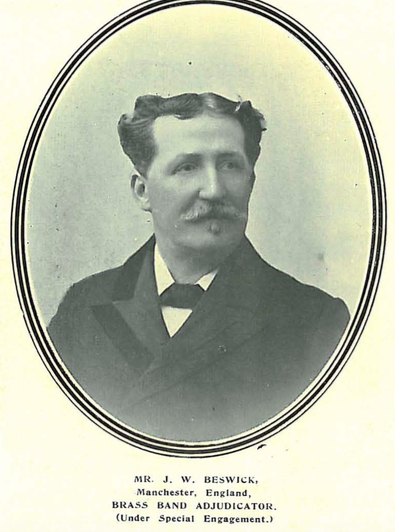
The Right Honourable Andrew Fisher opens the competitions and Mr J Beswick is brought out from England to judge the Band Contest as increasing numbers of interstate bands travel to Ballarat to compete despite the war.
The Senior Vocal Championship is awarded to George Lemke and forges a long association between the Lemke family and South Street, while the competition goes from strength to strength.
The mammoth South Street Competitions show no sign of decay; in fact, judging by recent indications, there is no limit to the possibilities and achievements of this remarkable institution. The Society, taken as a whole, is an institution that aims at the moral and national advancement of the community, and is worthy of recognition at the hands of the citizens. (Ballarat and District Year Book, Ballarat Library, A.H. & R.J. Powell)
1921
After the war, enthusiasm for Brass Bands and Choral work pushes the South Street Society to greater heights. Six thousand entries are received from every Australian state and for the first time, some have to be rejected, with 20 choirs, 48 bands and 150 calisthenics teams keen to compete.
‘Tides of visitors flow in and out, filling hotel, boarding-house and bed-and-breakfast accommodation, putting smiles on the faces of the proprietors of café and fish-and-chip shops.’ Weston Bate, Life after Gold.
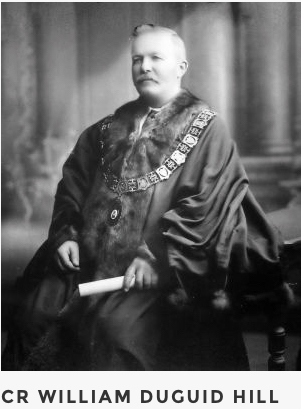
Ballarat West and East Councils finally amalgamate and W D Hill, founder of South Street, becomes the first Mayor of Ballarat Citycr-w-d-hill
John Brownlee wins the gold medal as champion vocalist at the South Street having never had a singing lesson his life and abandons accountancy to sing full time. In 1926 he would sing with Dame Nelle Melba in La Boheme in Covent Garden at her farewell performance.
The first live radio broadcast from South Street takes place and W D Hill dies in office after 42 years of remarkable service to the Eisteddfod and Ballarat community.
1924
The Grand Opera contest becomes the Sun Aria competition and is won by Lawrence Power from South Australia. Since 1924, the Herald Sun Aria has never been won by the same competitor twice and throughout its history has provided young opera singers with the opportunity to take their talent to the world.
As one winner commented
“A win at South Street is the hallmark that leads to fame.’
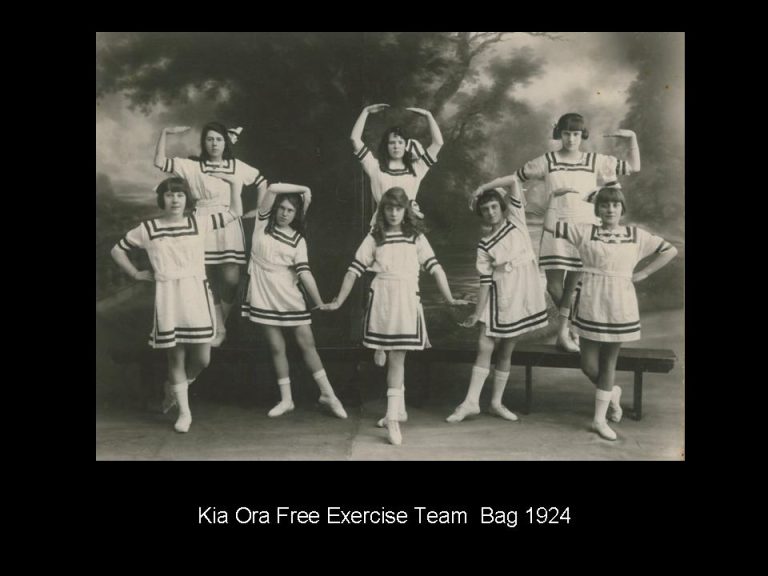
The “Most Graceful Physical Culture Girl” is introduced into the Calisthenics Section.
Permission is granted to Mr. Warne Wilson to install a radio to broadcast the Competitions from the Coliseum.
1926
Dame Nellie Melba sings at benefit concert for South Street at the Coliseum and 3000 people pack the hall as new sections including a jazz concert are added to the competitions.
1928
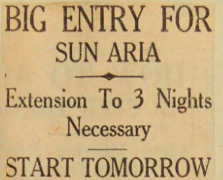
The Sun Aria competition attracts a record number of entrants, with 110 aspiring singers travelling to Ballarat from across the country.
The Australian Travel Service Pty. Ltd. promotes a Commonwealth wide contest for a singer to travel free to Wales with the Welsh Delegation, along with an additional 50 Pounds cash to compete in the Welsh Eisteddfod. The Victorian section of the contest is held at South Street, and won by Eric Jones of Northcote.
1931
Topical subjects dominate the Eisteddfod’s literary competition, including Australian Literary Achievements in the Twentieth Century, The Machine Age and its Effect on Human Life, The Australian Debt to the Aboriginal Race and The Problem of Hospital Finance in Australia.
Passionate supporter of South Street Dame Nellie Melba dies.
1934
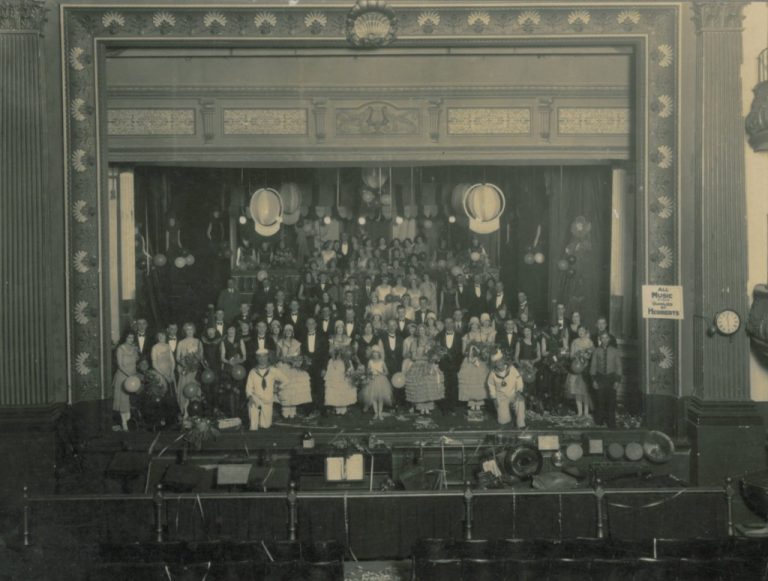
Radio 3BA broadcasts for half an hour on the first night of the Sun Aria and the Duke of Gloucester attends the afternoon session of the Band Contest. The contests prove so popular that applications are made for a state holiday and bank holiday to allow people time off to watch bands compete from around the country.
Events at City Oval include Highland dancing, pipe band contests and quick step contest, with teams from H.M.S. Sussex and H.M.S. Dunedin participating in a tug-o’-war event.
1938
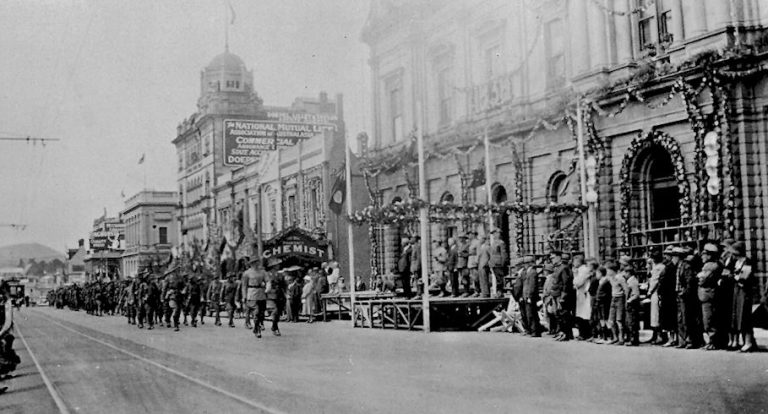
As part of Ballarat’s Centenary year, a “Back to South Street Vocal Championship” is held and is open to all former competitors.
The Champion Juvenile Choral Contest is re-named the Choral Contest Under 16 years of age, and Dancing and Calisthenics become separate sections, with the suggestion that Greek Dancing be added to the mix.
Ballarat’s Floral Festival begins and its first floral carpet is displayed.
The Ballarat National Theatre is founded and the first production, ‘The Barretts of Wimple Street, is performed at the Alfred Hall.
1940
South Street celebrates its 50th year of competitions and for the first time in many years the “house full” sign is posted outside the Alfred Hall when the final night of the Calisthenics is held. Debating is deleted for the first time from the competitions, not to return until 1997.
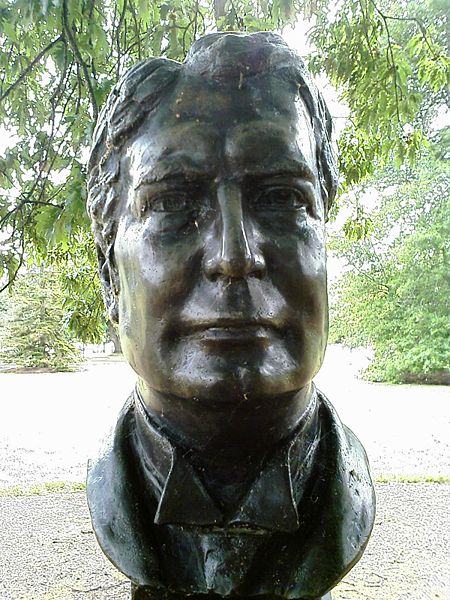
The first busts to make up the Prime Ministers Avenue in Ballarat are unveiled including Australia’s first Prime Minister, Edmund Barton.
The Sun News agrees to hold the Semi Final of the Sun Aria in Ballarat with first prize worth 130 guineas, second prize 30 guineas and third prize 20 guineas.
1943
Instead of disbanding, the Committee agrees it should continue to function, and raise funds for the purchase of a grand piano for Ballarat. Up to this time a grand piano had to be brought from Melbourne when required.
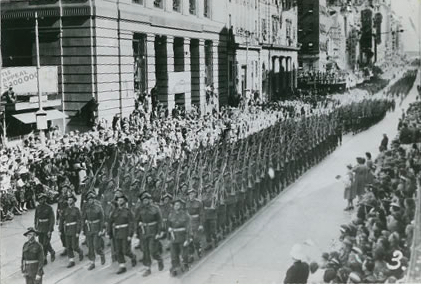
1945
World War II ends and the Competitions recommence.
The Sun Aria Prize Money is raised to 300 Guineas, and the Vocal Section attracts 1,480 entries making it impossible to get through the work in the time allotted. Net profits from the Competitions are donated to the Prisoner of War Fund through the Patriotic Funds Council.
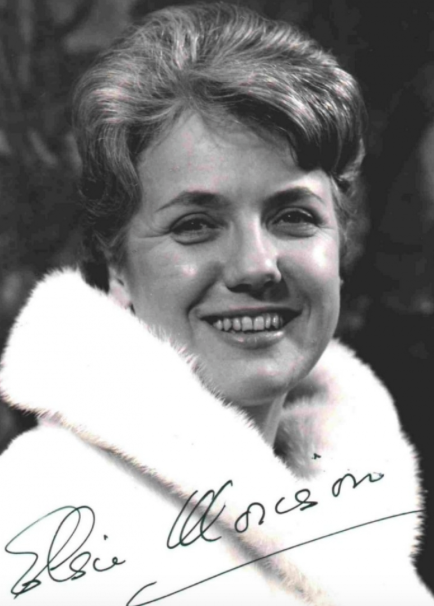
1946
Returned soldiers competing in the Sun Aria are permitted to deduct their period of war service from their age, and outstanding young Ballarat soprano, Elsie Morison, is presented with a cheque for £510 from the Trust Committee to allow her to receive tuition at the Royal Academy of Music in London.
Elise went on to pursue an international career and become a regular member of the Royal Opera House Covent Garden where she sang not only the lead roles in Puccini’s La Boheme and Mozart’s Magic Flute but also appeared in operas by contemporary composers such as Igor Stravinsky, Benjamin Britten and Francis Poulenc.
A ‘crowning’ highlight came in 1952 when she was asked to sing at a memorial Concert for King George VI at the Royal Albert hall – and again in 1953 when she sang as Australia’s representative at the coronation of Queen Elizabeth II in Westminster Abbey.
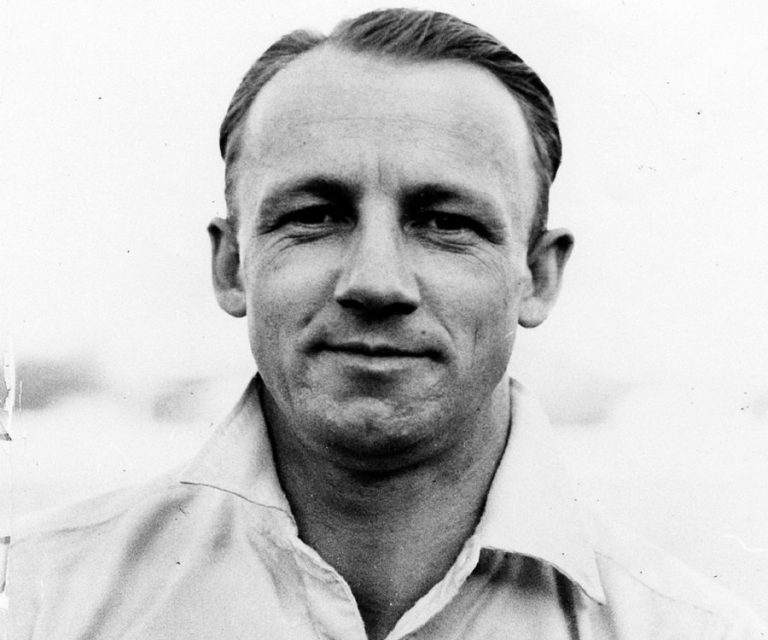
1947
The Courier and Radio 3BA offer £100 as prize money for a Ballad Contest, which is introduced to the Senior Vocal Section.
Donald Bradman scores his first century.
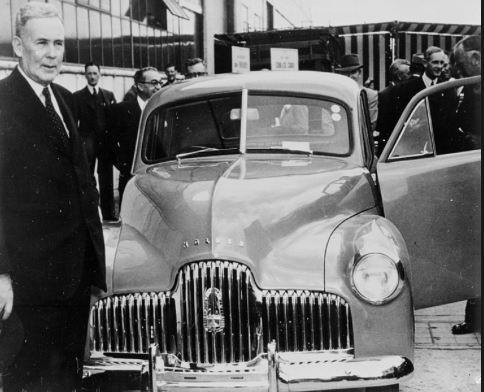
1948
The Sutton “Star for Opera” Quest commences with prizes totalling 50 Guineas. Open to contestants aged 18-23 years, the Quest is designed to assist young singers hoping to pursue an operatic career.
Following a visit of the Western Australian Municipal Band, it is decided to revive the South Street Band Contest after a lapse of 14 years.
The first all Australian car, the Holden, is produced and millions of immigrants arrive post war as part of the nation’s immigration scheme.
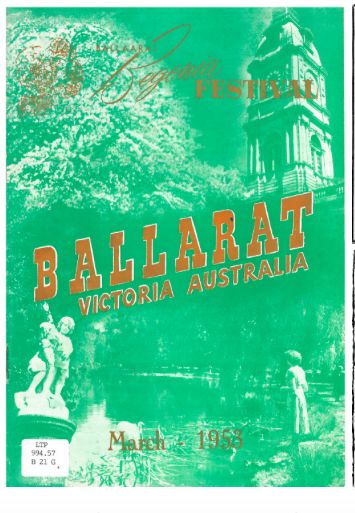
1953
The Ballarat City Band takes out every major award in the “A” Grade Band Contest under the baton of Charlie Smith who was carried shoulder high to the band platform to receive the trophies from South Street President, Mr. L. V. Kennedy.
Robert Lemke wins the Courier Ballad, the Star for Opera Quest, the Vocal Championship and receives an honourable mention in the Sun Aria.
Ballarat’s first Begonia Festival is held and the Mayor announces plans for a new hall on the Haymarket site.
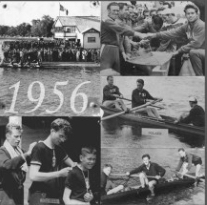
1956
The Olympic year ushers in a new era with the annual Eisteddfod opening in the new Civic Hall. After being proposed as far back as 1936 following the loss of the Coliseum, the new hall is generally well received, although some find it “lacks atmosphere”.
Having successfully surviving many efforts to destroy it, the Alfred Hall which was deemed cold, leaky and a health hazard is finally demolished.
The Sun Aria age limit is raised to 29 years for both males and females and Ballarat shines as Olympic Games events are held on Lake Wendouree.
1957
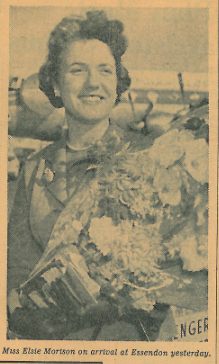
Australian born soprano, Elsie Morison gives a sell out concert in the Civic Hall, with the proceeds to be shared with South Street and the Ballarat Orphanage and a prize in established in her name.
The last link with the original founders of South Street is severed with the death of Mr. Theo Saunders at the age of 97.
1964
New Zealand entrants cross the puddle and successfully compete in the vocal sections by winning the Sun Aria in ’64, ’65 and ’66.
The Manawatu Society of Registered Music Teachers of New Zealand hopes to establish a similar contest to the Sun Aria for the Centennial Celebrations of Palmerston North, NZ.
Victoria, NSW and Tasmania Band Associations send their State Champions to Ballarat to compete in the Champion of Champions Contest – and a proposal is put forward to create a CWA Choral Contest for CWA Associations only.
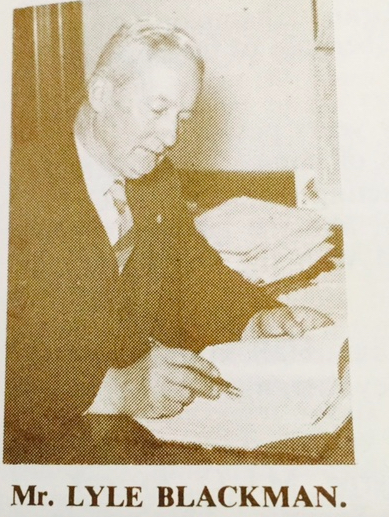
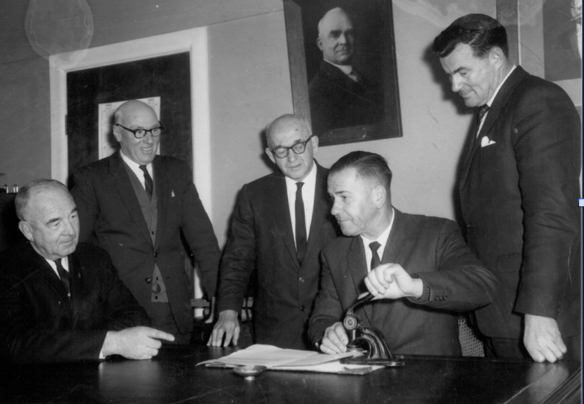
The death of Lyle Blackman, Secretary of the Society is met with great sadness after serving the society for 58 years.
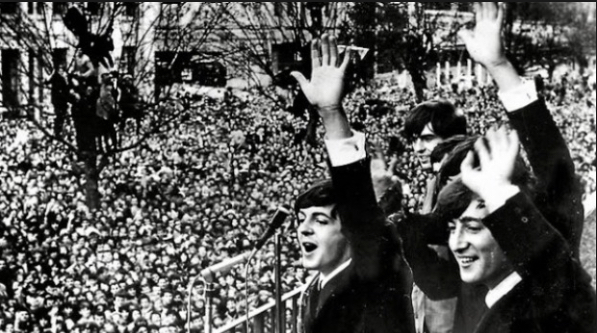
Ballarat National Theatre enters the Play Section and on the national stage, Beatlemania sweeps the nation.
1965
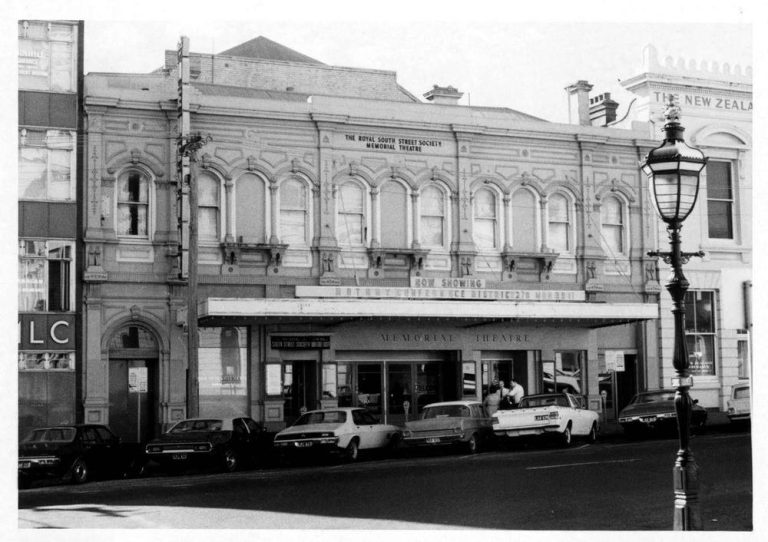
Royal South Street purchases Her Majesty’s Theatre at a cost of 32,500 pounds through the support of Ballarat businessmen and the State Government. Renamed The Memorial Theatre, it becomes the home of the Competitions for the next 22 years before being gifted to the City of Ballarat as part of an agreement to support the restoration and renovation of the building.
During the renovation period, South Street competitions were conducted in the City Hall.
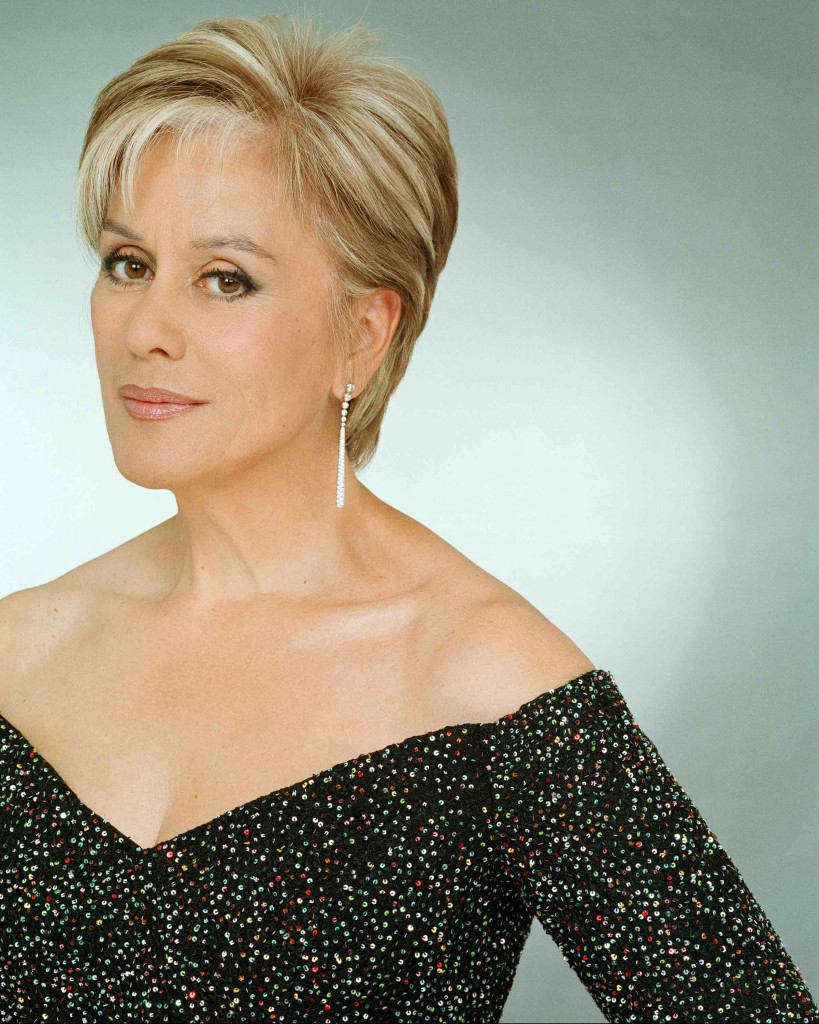
A triumphant young Kiri Te Kanawa from New Zealand wins the Courier Ballad, Sun Aria, Star for Opera, and Elsie Morrison prizes.

1966
A Grand Inaugural concert is held at the Memorial Theatre and attended by Sir Henry and Lady Bolte, who present a cheque of $38,000 to match funds raised by the society to help renovate the theatre.
A Bechstein Grand Piano used by Dame Nellie Melba on her tour of Australia some forty years ago is presented to the Society from the Directors of 3BA. The piano was bought by 3BA from Miss Tillie Howard, a well-known music teacher, soon after the establishment of the radio station.
Solo and Duo Items are to be included in the Folk Singing section for the first time under the strict proviso that all numbers to be genuine folk songs, no pop songs permitted!
On a more sombre note, Australia sends more troops to Vietnam.
1972
The Sun Aria increases the age limit for competitors to 32 years.

1974
Deputy Premier, Lindsay Thompson attends a special dinner to celebrate the Sun Aria’s 50th anniversary, while The Most Graceful Physical Culture Girl Contest also celebrates half a century of competition.
Cyclone Tracy devastates Darwin on Christmas Eve.
1975
Rex Taylor wins the Herald Sun Aria competition.
The first opening concert for the Competitions is launched with a Music Hall theme. Audiences are invited to wear period costume and Sir Arthur Nicholson, Mayor of Ballarat, and his wife arrive by horse drawn coach.
1977
A Barber Shop Quartet Section is added to the Music Hall Competition.
1980
Ellinor Morcom, accompanist, teacher and mentor to many Royal South Street singers, is awarded an OBE.
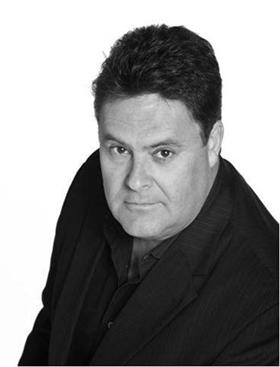
1981
The competition introduces the Open Classical Ballet solo for dancers over 16 and South Street gains permission for bands to march down Sturt Street but not outside churches on Sunday morning.
Ballarat baritone, Roger Lemke, wins the Courier/3BA Ballard and Star for Opera Quest, following in the footsteps of his father, Robert Lemke.
1990
The competitions return to the beautifully renovated Her Majesty’s and an open day is held with more than 1000 people turning out to inspect the resplendent interiors.
TV auditions for drama are introduced with the assistance of Grundy Productions and VIC TV, with an overwhelming response and Linda Thompson wins the Herald Sun Aria.
“For the first time, a lot of singers saw opportunities to sing opera, in costume at home, The Aria was viewed as the springboard into that world.”
Linda Thompson.
1991
Royal South Street Society celebrates 100 years of competitions with a stellar cast of stars past and present performing in a special centenary concert – with dancers David Kierce and Joanne Bradley and former Sun Aria winners Rosemary Boyle and Raymond Myers. And the Sun Aria changes it name to the Herald Sun Aria.
The Premier of Victorian, the Hon. Joan Kirner, also a past South Street winner, officially opens the competitions.
Jan Russ, casting director for Neighbours, is appointed Adjudicator for the TV auditions and one successful prize winner gets a guernsey and joins Ramsay Street locals on the long running Australian soap.
A special Centenary Essay Competition is launched with winners presented with specially struck Centenary medallions and prize money.
Mrs Barb Dunlop becomes the first female to be elected to the Royal South Street Society Committee.
1993
Keeping pace with the times, new successful sections are added to the Competition’s program including Contemporary Choral and Modern Vocal Ensembles. A weekend Play Festival is also introduced with adjudicators Julian Oldfield and Peter Tullock.
The Mechanics Institute is used for the Brass Bands’ warm-up.
The Federal Minister for Arts, Senator Bob McMullan visits the Eisteddfod and a civic reception is held for Jason Wasley, Herald Sun Aria Winner.
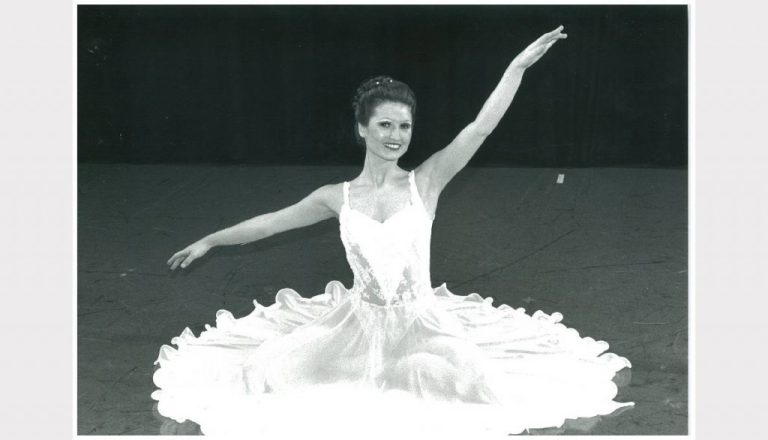
1994
Richard Bayly is awarded an Order of Australia for services to music and the Most Graceful Girl Competition celebrates a 70th birthday.
Dancing sections prove more popular than ever with two thirds of competitors travelling from Melbourne and the Courier Ballad is held in the Diocesan Centre due to an overwhelming number of entries.
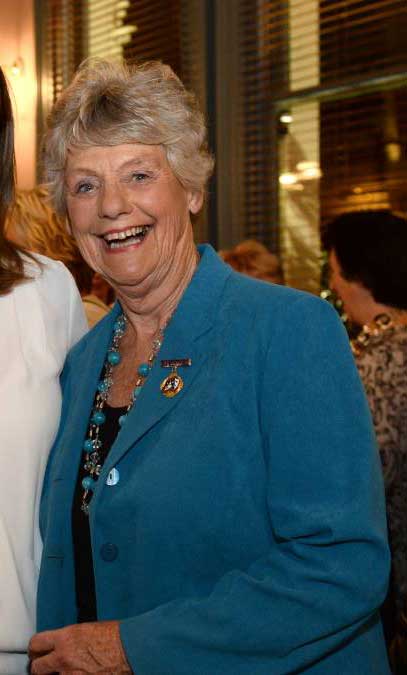
1999
Barb Dunlop becomes the first female President of the Royal South Street Society which began 120 year earlier in 1879 as the Young Men’s General Debating Society.
The Herald Sun Aria celebrates 75 years, with Maxine Montgomery a Ballarat Soprano one of six finalists selected to compete for a Grand Prize of $10,000 cash and $20,000 scholarship for overseas tuition. The evening was compered by Roger Lemke, the son and grandson of one of Ballarat’s famous singing families, and winner of the Aria in 1985.
“…The Herald Sun Aria is well established as one of the finest singing competitions in the country, with a healthy future for the next generations of performers.”
South Street runs a unique Highland Pipe Competition with a live cross to 3BA
Royal South Street is numbered in the top three most valuable Ballarat’s most valuable icons and the City of Ballarat recognises the remarkable work of South Street’s volunteers by hosting a Civic Reception.
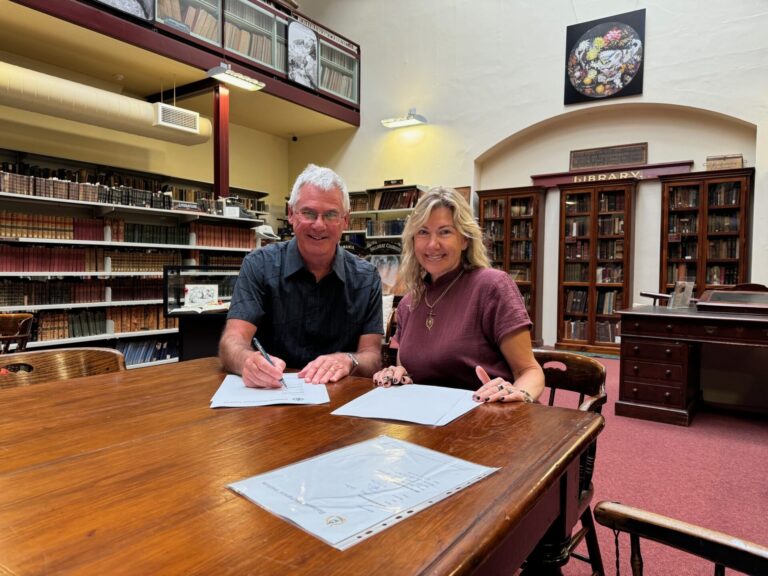
2024 – MOU with Ballaarat Mechanics Institute
In December 2024, Lindsay Eaton (Board Chair for RSSS) and Paula Nicholson (Board Chair for BMI) signed an MOU joining the two organisations in a creative partnership.
The purpose of the MOU was written as; ‘a collaboration based on a shared goal, that of nurturing and encouraging the talents of aspiring artists in performance arts, whilst acknowledging the benefits of such partnerships within the common goal of community coherence.’
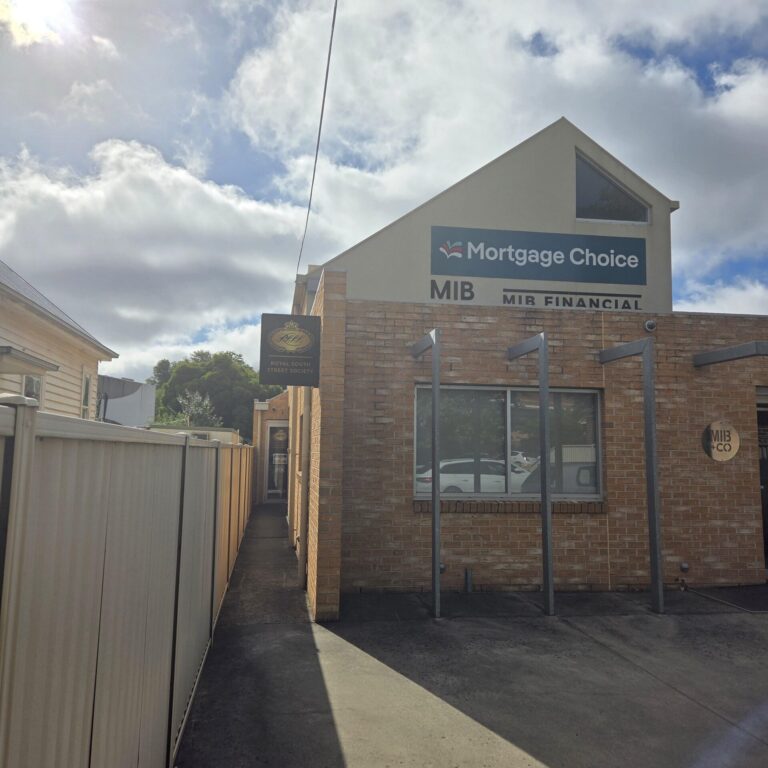
2025 – Office Move
In April 2025, the Royal South Street Society relocated its offices from Lydiard Street, next to Her Majesty’s Theatre, to a new home at 125 Albert Street.
The new premises, located behind Mortgage Choice, were transformed into functional office space and were previously home to the Anita Coutts Dance School dance studio.
The move allowed us to consolidate our Lyric Storage Room and Archives into a single, central location, creating a more efficient workspace. An added bonus was that the new office is entirely on one level, with no stairs, making the bump-in and bump-out process for events significantly easier for staff and volunteers.
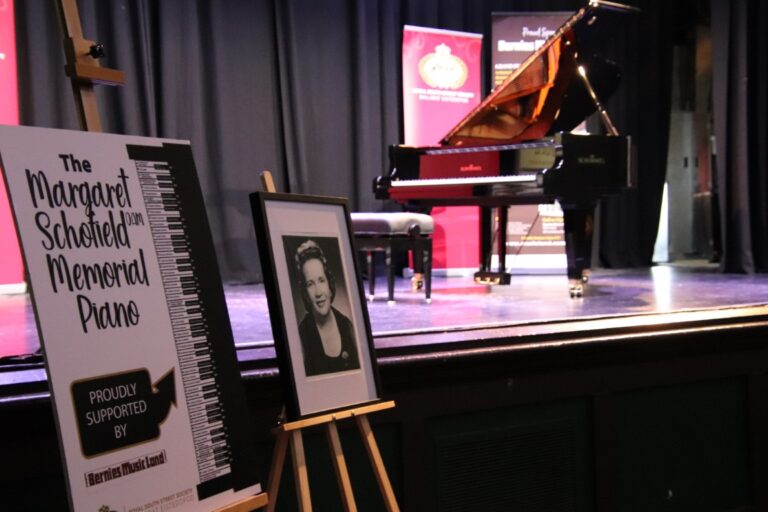
2025 – Schimmel K195 Grand Piano
At the launch of the 2025 Season, RSSS unveiled an ambitious goal: to secure a world-class grand piano worthy of the extraordinary talent that graces its stages each year.
What began as a dream quickly became a community movement.
RSSS launched the inspiring Key to Music fundraising campaign — inviting the community to become part of the legacy by sponsoring one of the piano’s 88 keys.
Through the generosity of benefactor Andrew Cochrane — honouring the legacy of his late mother, pianist and teacher Margaret Schofield OAM — and in partnership with Bernie’s Music Land and Schimmel Pianos, the Society announced it would acquire a Schimmel Konzert Grand K195.
In a thrilling surprise at the Season Launch, it was revealed that the chosen instrument would be upgraded to the K195 Konzert Grand — placing Ballarat among the custodians of one of the finest competition grand pianos in Australia.
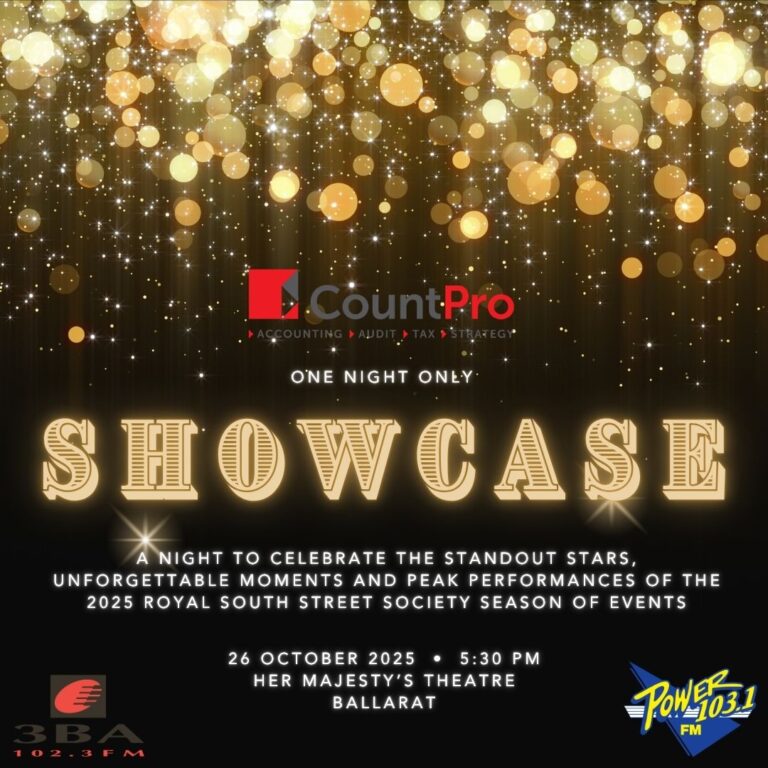
2025 – Showcase returns
After more than a decade, the Royal South Street Society Showcase made a welcome return in 2025, celebrating the extraordinary talent, dedication and diversity of performers who take part in Australia’s longest-running performing arts eisteddfod.
The Showcase had not been held since 2014. A combination of factors contributed to its absence over the intervening years, including staff turnover, funding challenges, the closure of Her Majesty’s Theatre, and the significant disruptions caused by the COVID-19 pandemic. However, with the Royal South Street Society enjoying renewed momentum and the performing arts community once again thriving, 2025 provided the perfect opportunity to revive this much-loved tradition.
The successful return of the Showcase was warmly embraced by performers, teachers, families and audiences alike, reaffirming its place as a treasured event on the South Street calendar. As the Society looks to the future, the 2025 Showcase stands as a reminder of the enduring strength of the performing arts and the vibrant community that supports them.
We thank all performers, teachers, accompanists, volunteers and supporters who helped make the return of the Royal South Street Society Showcase such a memorable occasion. We look forward to seeing this cherished tradition continue for many years to come.

2025 – The Royal Treasure Trail
The Royal Treasure Trail was established in 2025, with the help of Tourism Midwest Victoria, to encourage our participants and families to stay and explore the treasures of Ballarat while in town for the Eisteddfod. Just over 30 local businesses signed up to take part!