Article written in THE Herald Sun Aria to commemorate the Aria’s 90th year.
THINGS could have been very different. Jason Wasley could have tripped as he strode on to the Hamer Hall stage, or fluffed the start of his Verdi aria, or looked out into the capacity crowd and frozen with fright.
But one October night in 1993, when the then 22-year-old baritone made his first
appearance in a Herald Sun Aria final, everything went right. So right, Wasley won.
“Looking back, it still seems incredible,’’ he says. “When they announced my name as the winner, it was just disbelief. I remember thinking, ‘What do I do now?’.”
Recovering from shock backstage, Wasley soon knew what to do. The boy from Ballarat — who had won almost $30,000 in prize money — booked a ticket to Europe to advance his opera studies.
“It changed my life,’’ Wasley says. He is not alone.
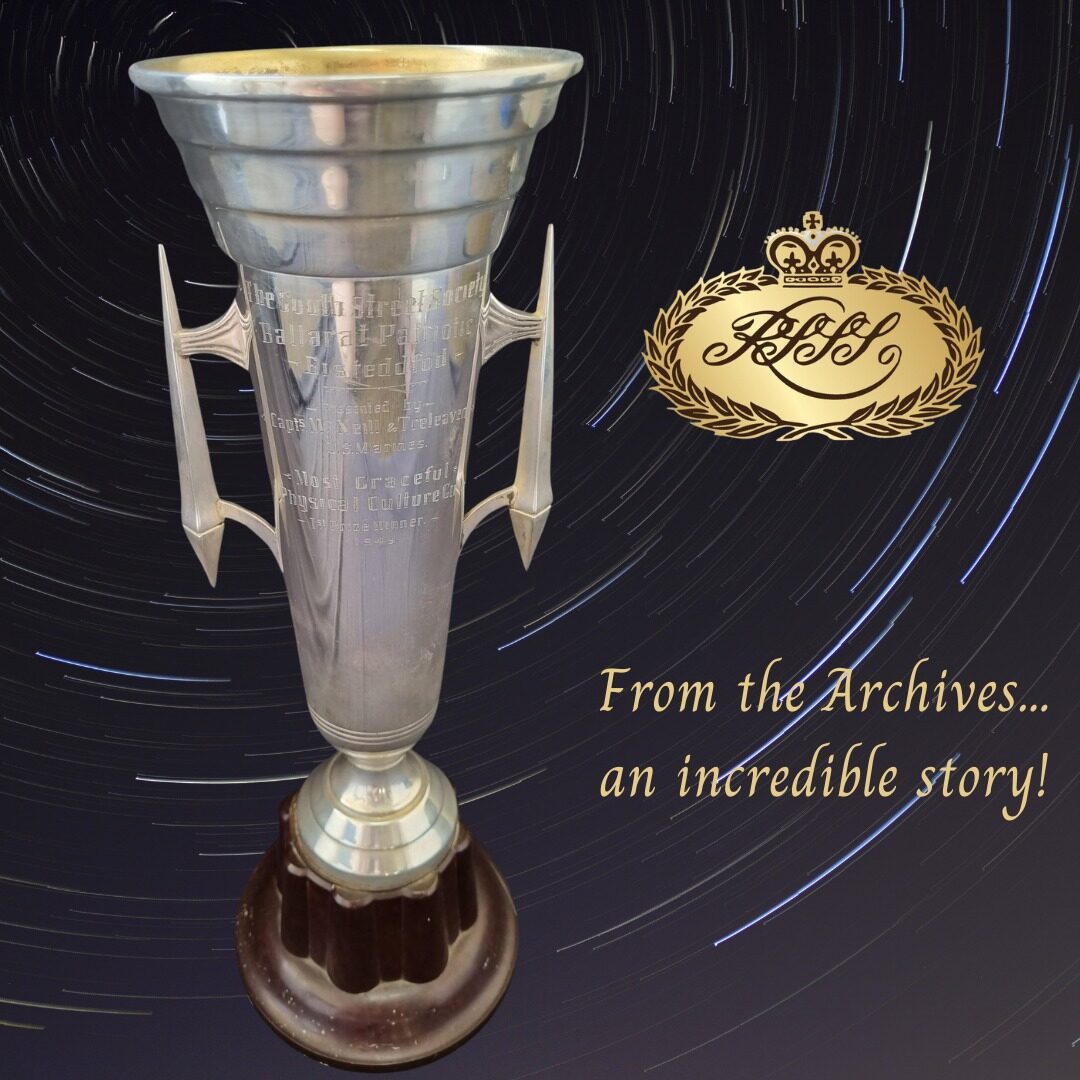
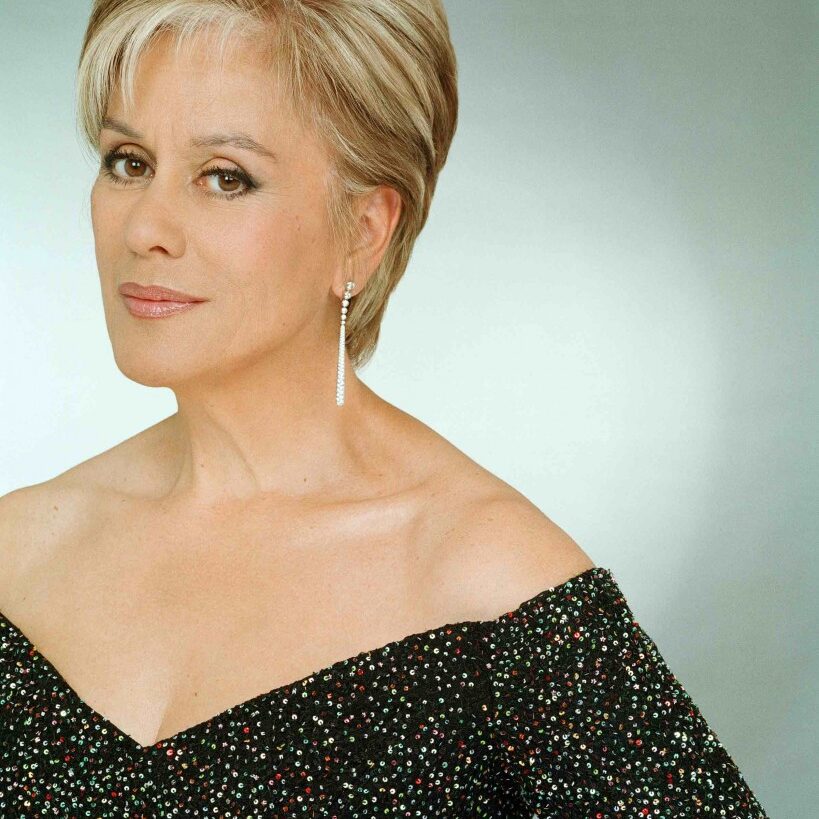
Dame Kiri Te Kanawa and Charles Skase, Daniel Sumegi and Rachelle Durkin, Jonathan Summers and Amelia Farrugia … these stars of the Australasian opera stage are all past winners of the Aria, the nation’s longest-running competition for emerging opera singers. And in 10 days’ time, at the 90th anniversary final, their distinguished names — all inscribed on a perpetual trophy — will be joined by one more.
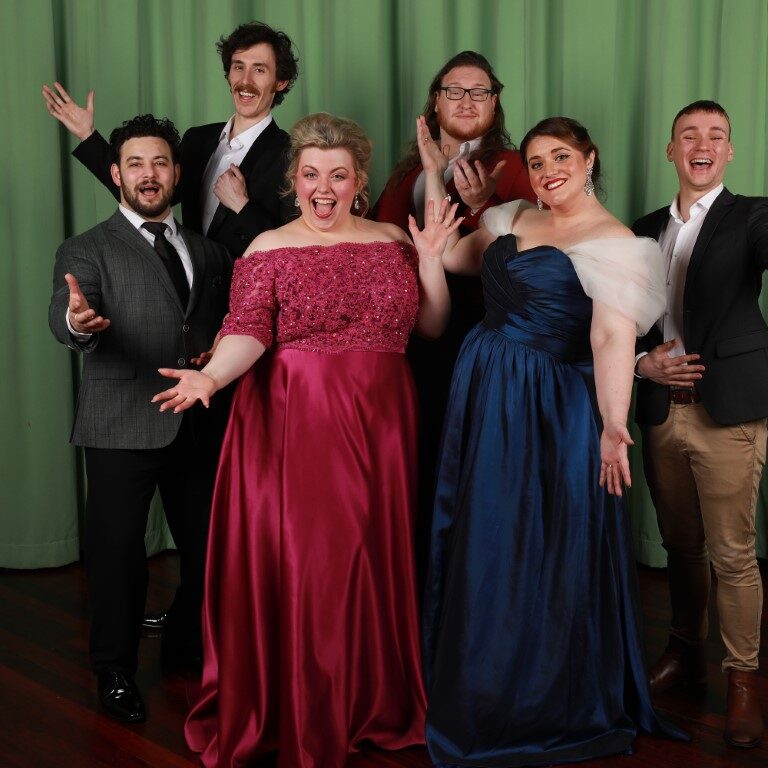
Will it be one of two sopranos from Melbourne? Or a baritone from Sydney? Or a countertenor who pumps iron when he’s not singing?
“That sporting element, one singer up against another, has always energised the public,’’ says singer and archivist Linda Thompson. But why has the Herald Sun Aria, established in 1924, endured for nine decades when other opera competitions have come and gone?
For answers, Thompson — a former Aria winner herself in 1990 — has scoured Herald and Weekly Times files and unearthed a remarkable story that began with one man’s vision.
That man was Thorold Waters, music critic for
TheSun newspaper. Noting Melbourne was “agog for opera’’ in the aftermath of World War I, Waters proposed an operatic prize competition “to both educate the public and provide a platform for young Australian singers to further their careers’’.
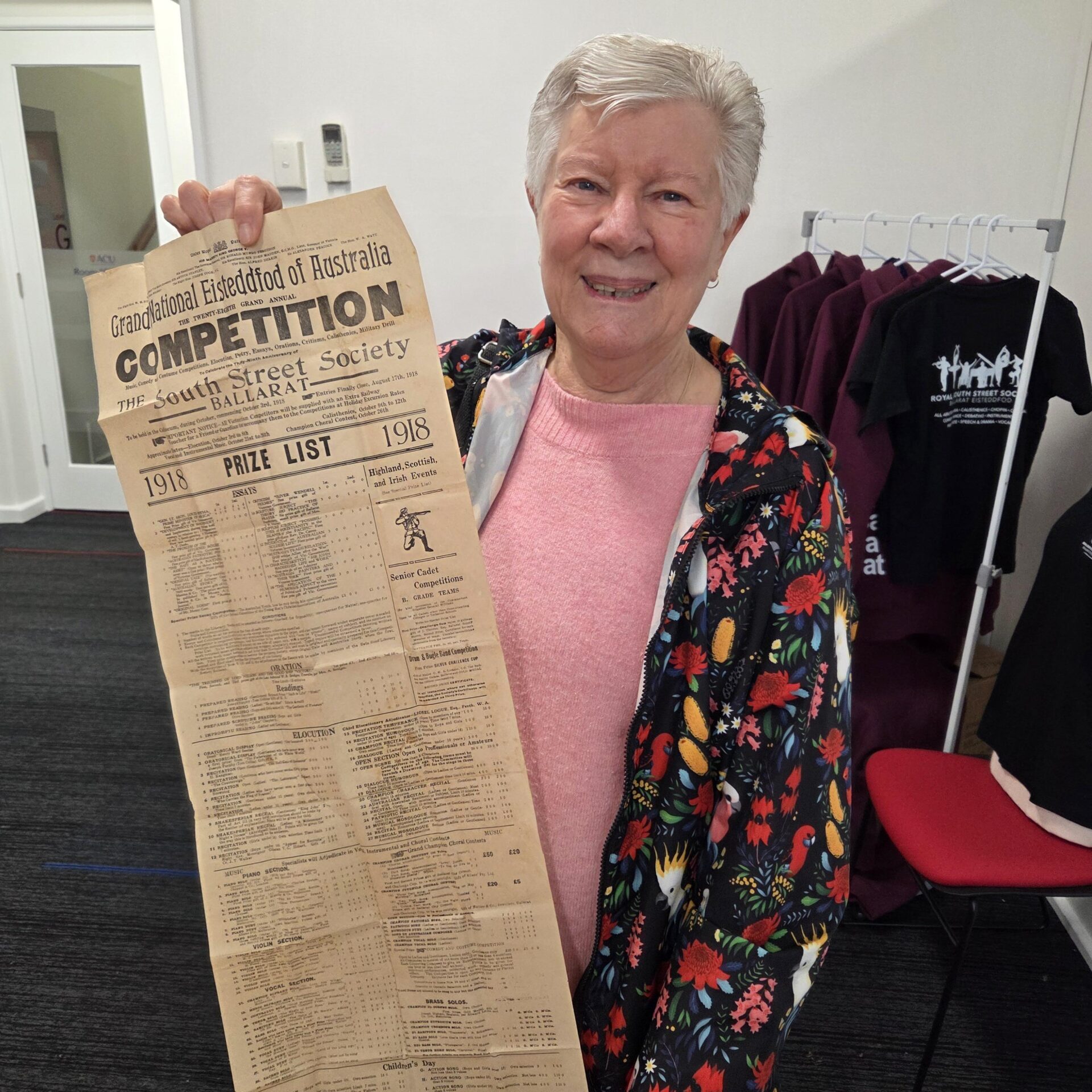
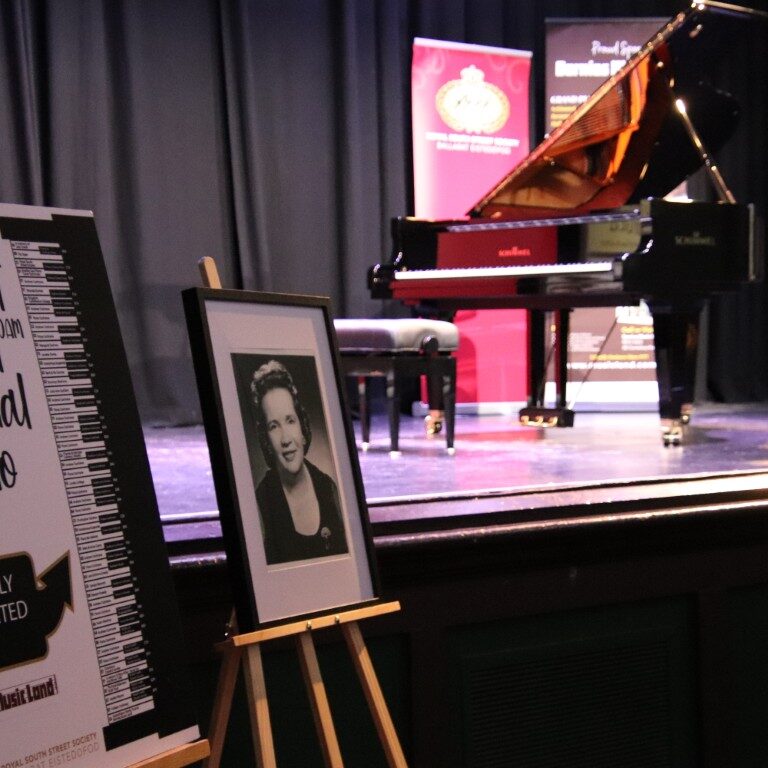
The Sun Grand Opera Aria Contest — as it was originally called — was held at Melbourne Town Hall with Lawrence Power, of North Adelaide, declared the inaugural winner. Through the 1920s and ’30s, big crowds flocked to Ballarat for the heats as well. These were conducted at Her Majesty’s Theatre by the Royal South Street Society — a voluntary organisation that hosted vocal eisteddfods — and they proved so popular, special “semi-final trains” ran between Spencer St and the gold rush city. Competition was suspended during the war, but after 1945, “house full” signs were again posted outside the Town Hall. The Aria’s post-war popularity was buoyed by the emergence of the National Theatre Movement, a company that sought to bridge amateur and subsidised theatre.
Thompson explains: “For the first time, a lot of young singers saw opportunities to sing opera, in costume, at home. The Aria was viewed as a springboard into that world.’’
From 1949, when a winner’s scholarship was introduced, it also held out the promise of overseas study. Brian Hansford, of Surrey Hills, was on his way to Germany within months of winning the 1957 Aria final. Sylvia Fisher had to wait a lot longer. This Wagnerian soprano, from South Melbourne, was victorious in 1936 but only reached London in 1947. Two years later, Fisher landed lead roles in Benjamin Britten operas.
Not everyone was applauding. In the late 1950s, music critic and broadcaster John Cargher sniffed: “The Sun Aria has as much to do with opera as football has to do with ballet.’’
But Thompson has a winners’ list from the 1960s and ’70s that “glitters with names of artists who have
contributed to the pursuit of operatic excellence in this country”, from Malvina Major and John Pringle to Bruce Martin and Rosemary Boyle.
Baritone Roger Lemke remembers thinking, “The Sun Aria was the most prestigious competition of all, the one I really wanted to win”.
In 1985, at the Melbourne Concert Hall, Lemke
(another Ballarat boy) did just that. His finals berth
coincided with the first appearance of an orchestra — previously singers were accompanied only by a pianist — and maestro Richard Divall continues to divide his podium duties with behind-the-scenes adjudication.
This year, Divall is joined by acclaimed singers Roxane Hislop and Tiffany Speight. And like all the judges before them, they are not only assessing diction and deportment, breath control and stamina. They are looking for that elusive thing known as star quality.
As Thompson says: “The difference with this
competition is, adjudicators have made judgments on how far a singer might go. Their ‘potential’ has been a big part of the equation.’’
This year, 29 emerging singers contested Aria heats at Royal South Street. The final six are chasing a $60,000 pot of gold, the winner taking home $12,500 cash and a $22,000 scholarship for international
tuition and travel. But Thompson insists “it’s not just about the money. Winning this prize validates the
sacrifices you make as a singer to follow that path and the freedom it gives you is just incredible”.
FAMOUS FIVE STILL ON SONG
WHOOPS of joy greeted Linda Thompson’s victory in the 1990 Herald Sun Aria.
“The whoops came from family and friends in the audience,’’ the Melbourne soprano recalls. But Thompson has no other clear memory of that starry night
“When they announced second prize, and it wasn’t me, I thought, ‘Oh, well … next year’,’’ she says. “Then I heard my name as winner and shook someone’s hand and made a speech thanking people and, I don’t know … the whole thing passed like a dream.’’
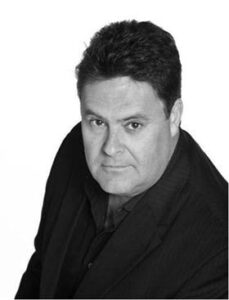
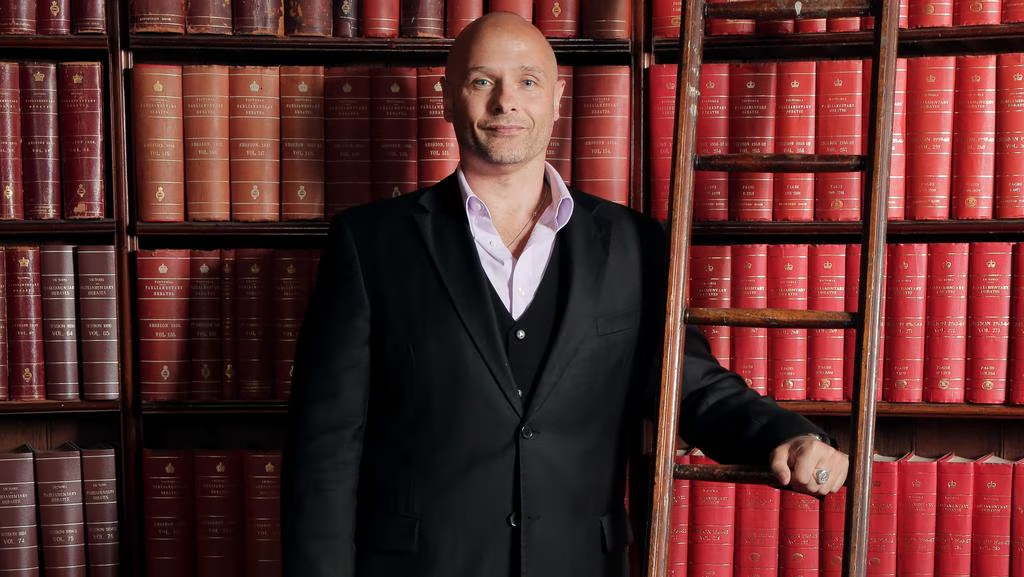
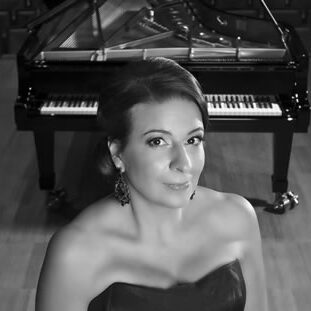
Four other Aria winners told similar stories when they came together last month for a special photoshoot commemorating the 90th anniversary of Australia’s oldest vocal competition.
Brian Hansford (1957) described how Melbourne Town Hall was “packed to the rafters including the choir stalls and on stage”, Roger Lemke (1985) remembered “I was still in a state of shock at two in the morning that I’d actually won it”, and Jason Wasley (1993) — winning on his first try — admitted to “crash-learning” an aria just in time for the final.
Barbara Zavros (2011), a soprano from Reservoir, was “simply overwhelmed … winning the Aria was a very emotional moment.’’
BRIAN HANSFORD
Baritone
Aria winner 1957
Sang: Giordano and Mozart, for his third appearance in an Aria final
On winning: “I chose to go to Germany to do my studies and that trip was funded by the Aria scholarship.’’
Career highlights: Bavarian State Opera, principal singer with Victorian State Opera, head of vocal studies at the Victorian College of the Arts.
ROGER LEMKE
Baritone
Aria winner 1985
Sang: Mozart and Giordano, for his second appearance in an Aria final
On winning: “Combined with other competitions I won that year, I was able to go to New York and Europe and work with some really good people.’’
Career highlights: Old Deuteronomy in Cats, Javert in Les Miserables and Dr Malatesta in Don Pasquale (Green Room Award)
LINDA THOMPSON
Soprano
Aria winner 1990
Sang: Verdi and Douglas Moore, for her first appearance in an Aria final
On winning: “It meant I could go overseas and have coaching in Italy and Holland.”
Career highlights: Donna Elvira, The Governess in Turn of the Screw and female leads in two world premieres in Australia — The Golem and Mer de Glace.
JASON WASLEY
Tenor
Aria winner 1993
Sang: Giadarno and Verdi, for his first appearance in an Aria final
On winning: “I studied in Italy, then lived and worked in the UK. Without the Aria, I would never have been able to get over there.’’
Career highlights: Figaro in Barber of Seville for London’s National Opera Studio, Alfredo in Opera Australia’s La traviata, title role in Oedipus Rex for Victorian Opera.
BARBARA ZAVROS
Soprano
Aria winner 2011
Sang: Bizet and Puccini, for her first appearance in an Aria final
On winning: “I secured understudy roles with Victorian Opera. Winning the Aria really gives you the confidence to go out there and pursue singing seriously.’’
Career highlights: Principal artist with Victorian Opera, Lyric Opera of Melbourne and Melbourne Opera.